Sell Circuit Breakers in Denver, CO | Equipment Buyers
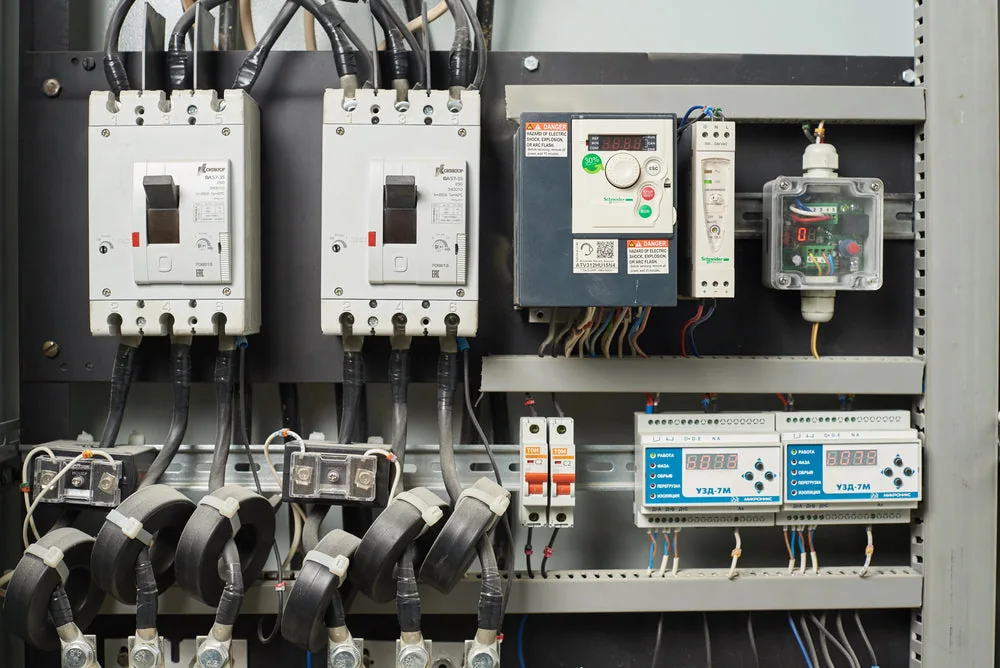
Transformer Buyers reviews surplus and removed circuit breakers from Denver, CO facilities on a nationwide, case-by-case basis. Send the nameplate details, photos, quantity, condition, and site constraints so the equipment can be evaluated accurately before any next step is discussed.
01Nationwide opportunities are reviewed case by case.
02Nameplate ratings matter more than a general description.
03Do not open or handle energized equipment for photos.
04Freight access and documentation affect lot evaluation.
01
Direct answer
Who buys circuit breakers in Denver, CO?
Transformer Buyers is a nationwide equipment buyer that reviews Denver-area circuit breaker opportunities case by case. Sellers may include data-center operators, aerospace and advanced-manufacturing facilities, electrical contractors, property owners, redevelopers, and organizations clearing a storeroom or retiring distribution equipment. The review is for identified surplus, removed equipment, or complete lots; it is not a claim of a Denver office, crew, or standing local inventory operation.
Useful candidates can include molded-case and insulated-case breakers, low-voltage power breakers, drawout breakers, panelboard breakers, motor-protection breakers, and breaker-related assemblies when their identity and condition can be documented. Brand, vintage, ratings, completeness, demand, and removal status all matter. A breaker that is obsolete or unsuitable for one facility can still warrant review when the catalog data and physical condition are clear.
02
Why Denver facility context belongs in the equipment record
Denver sellers often encounter breakers during capacity changes, tenant turnover, controls upgrades, and demolition or redevelopment work. The metro also sits within an industrial ecosystem that includes critical digital infrastructure, precision production, and aerospace supply chains. Colorado's economic-development office reports that 65 companies in Denver participate in NASA's Artemis program, a useful reminder that traceability, configuration control, and complete records can be especially important for equipment coming from technical environments [1].
Regional movement details are equally practical. The Denver Regional Council of Governments describes freight planning as part of a multimodal system and maintains a regional freight plan focused on more efficient goods movement [2]. Denver International Airport reported 732 million pounds of cargo in 2025 [3]. Those facts do not create a pickup promise, but they explain why a quote request should state whether the lot is in a secured campus, a downtown redevelopment site, an airport-controlled area, a dock-served warehouse, or a location requiring scheduled access.
03
Identify each breaker from the nameplate, not a guess
A close, readable photograph of the breaker label or nameplate is the most useful starting point. Record the manufacturer and catalog or model number first, then the frame rating and actual trip rating. Add the number of poles, voltage class, interrupting rating (often shown as AIC or kAIC), and the trip-unit type or settings. These fields distinguish devices that can look almost identical in a cabinet but have materially different applications and resale prospects.
For power breakers and larger molded-case units, identify whether the unit is fixed or drawout, its mounting arrangement, cradle or cell information, and whether shutters, secondary disconnects, escutcheons, lugs, or accessories are included. Photograph the front, sides, rear connection area only when safely accessible, label, trip unit, and any packaging label. NEMA maintains product standards for molded-case and insulated-case circuit breakers, underscoring why rating and construction details should be preserved rather than summarized as simply a 'main breaker' [4].
Manufacturer; catalog, model, and serial number where shown
Frame size, sensor or trip rating, poles, voltage, and interrupting rating
Trip unit make/type, rating plug, settings, and installed accessories
Fixed, plug-in, bolt-on, or drawout mounting; cradle or cell details
Quantity by exact catalog number and whether components are complete
04
Make safety and authority the first conditions of a sale
Never open energized switchgear, panelboards, or enclosures to read a label, take photos, or remove a breaker. Electrical exposure can cause shock, arc-flash, fire, and explosion hazards; OSHA identifies electricity as a serious workplace hazard and points employers to protective devices and safe work practices [5]. Facility personnel should follow their established electrical-safety and energy-control procedures, using qualified and authorized people where the work requires them.
Before a lot is offered, confirm who owns the breakers and who can authorize disposition. For contractor removals, retain the owner's written release or contract language. For a closure, redevelopment, or tenant handback, keep the asset list, release approval, and any lender, landlord, utility, security, environmental, export-control, or site policy review that applies. A breaker must be lawfully available for sale; a photo alone does not establish that authority.
05
Build a review-ready Denver breaker lot
Send one overview photo of the pallet, rack, room, or lineup plus separate readable photos for each breaker type. Pair images with a spreadsheet or count sheet that groups identical catalog numbers, notes boxed versus loose status, and identifies new surplus, tested removed, used removed, damaged, incomplete, or untested condition. Mention water exposure, corrosion, heat damage, broken housings, missing hardware, prior field modifications, or a failed trip if known. Transparent condition notes prevent a small exception from being mistaken for the entire lot's condition.
For a data-center refresh or manufacturing reconfiguration, add the decommissioning stage: still installed, safely isolated but installed, removed and staged, or palletized. Include the original purchase record, maintenance or test records when available, job number, single-line reference, packing list, and chain-of-custody notes. These documents can establish provenance and help separate associated gear from breakers that should be counted individually.
06
Plan around access, packaging, and regional freight realities
Describe the physical path from the staged lot to a carrier vehicle: floor level, dock or grade access, door and aisle restrictions, freight elevator limits, security check-in, union or site rules, and whether a forklift, pallet jack, crane, or rigging is needed. State whether the equipment is already crated or palletized and whether it can be safely secured for transport. In dense redevelopment locations, access windows and loading rules can be as important as the equipment list.
Avoid estimating weight from appearance. Provide manufacturer documentation or actual scale weights when available, especially for drawout assemblies, frames, and mixed pallets. The nationwide review will consider equipment details alongside quantity, condition, documentation, and feasible site access. Submission of information begins an evaluation; it does not commit either party to a transaction, transport arrangement, or a particular value.
Never open energized equipment or remove electrical equipment solely for an inquiry. Use qualified personnel, lockout/tagout procedures and applicable site rules.
Straight answers
Questions sellers ask.
These answers are intentionally specific and conditional. Final terms depend on the equipment and written agreement.
Will you review breakers from a Denver data-center upgrade?+
Yes. Provide the manufacturer, catalog number, ratings, quantity, removal status, photos, and any access controls. Data-center equipment can have similar-looking components with different trip units or accessories, so label images and a count by exact model are more useful than a lineup description alone. Each opportunity is reviewed case by case.
What if my circuit breakers are still installed?+
Describe them as installed and send only photos that can be taken without opening or working on energized equipment. Do not remove or expose equipment for a sale inquiry. Your facility's qualified, authorized personnel should determine safe isolation, removal, and documentation under its established procedures.
Which ratings should I photograph for a breaker?+
Capture the manufacturer, catalog or model number, frame rating, trip rating, poles, voltage, interrupting rating, and trip-unit information. Also show whether it is fixed, plug-in, bolt-on, or drawout and include the mounting hardware, cradle, or cell details when applicable.
Can I offer a mixed lot from a redevelopment project?+
Yes, if the lot is sorted as far as practical and documented clearly. List each catalog number and count separately, photograph representative examples and exceptions, and note loose, boxed, damaged, incomplete, or untested pieces. Include the owner's authorization to dispose of the material and any site-release requirements.
Do airport, secured-campus, or downtown access limits matter?+
They can. State the access restrictions, staging area, loading-dock availability, delivery appointment requirements, security badging, hours, and material-handling equipment. This information helps evaluate whether a potential transport plan is practical; it is not a commitment to provide pickup or a set schedule.
What records should accompany removed breakers?+
Include a count sheet, photos, condition notes, owner or disposal authorization, packing list, original purchase or maintenance records if available, and any relevant test or decommissioning record. Keep records that distinguish the breaker itself from its panel, switchgear section, or accessories so the lot can be described accurately.