Sell Circuit Breakers in Dallas–Fort Worth, TX | Equipment Buyers
Dallas–Fort Worth sellers with surplus, decommissioned, or removed circuit breakers can submit their inventory to Transformer Buyers for a nationwide, case-by-case review. Clear equipment identification, safe release authorization, and practical site details help determine whether a particular lot is a fit.
02Nameplate photos support accurate identification.
03Do not open or handle energized equipment.
04Access details matter for large breaker lineups.
01
Direct answer
Who buys circuit breakers in Dallas–Fort Worth?
Transformer Buyers reviews Dallas–Fort Worth circuit-breaker opportunities case by case for contractors, facility teams, distributors, manufacturers, and owners handling renovations or closures. Equipment must be properly released for sale, and a submission is not an automatic purchase. Start with an inventory and photographs that show the equipment, condition, and safe access.
Aviation, logistics, manufacturing, data infrastructure, and construction produce varied electrical inventories in this region. Fort Worth’s planning names aviation/aerospace, logistics and transportation, and manufacturing; the Dallas Fed identifies distribution, e-commerce, aerospace, IT, and construction as significant activity. A warehouse retrofit, airport-related facility, plant expansion, or commercial project can therefore present distinct breaker lots and access constraints. [City of Fort Worth](https://www.fortworthtexas.gov/departments/econdev/edplan) [Federal Reserve Bank of Dallas](https://www.dallasfed.org/research/heart/dallas)
02
What circuit breakers may be worth submitting?
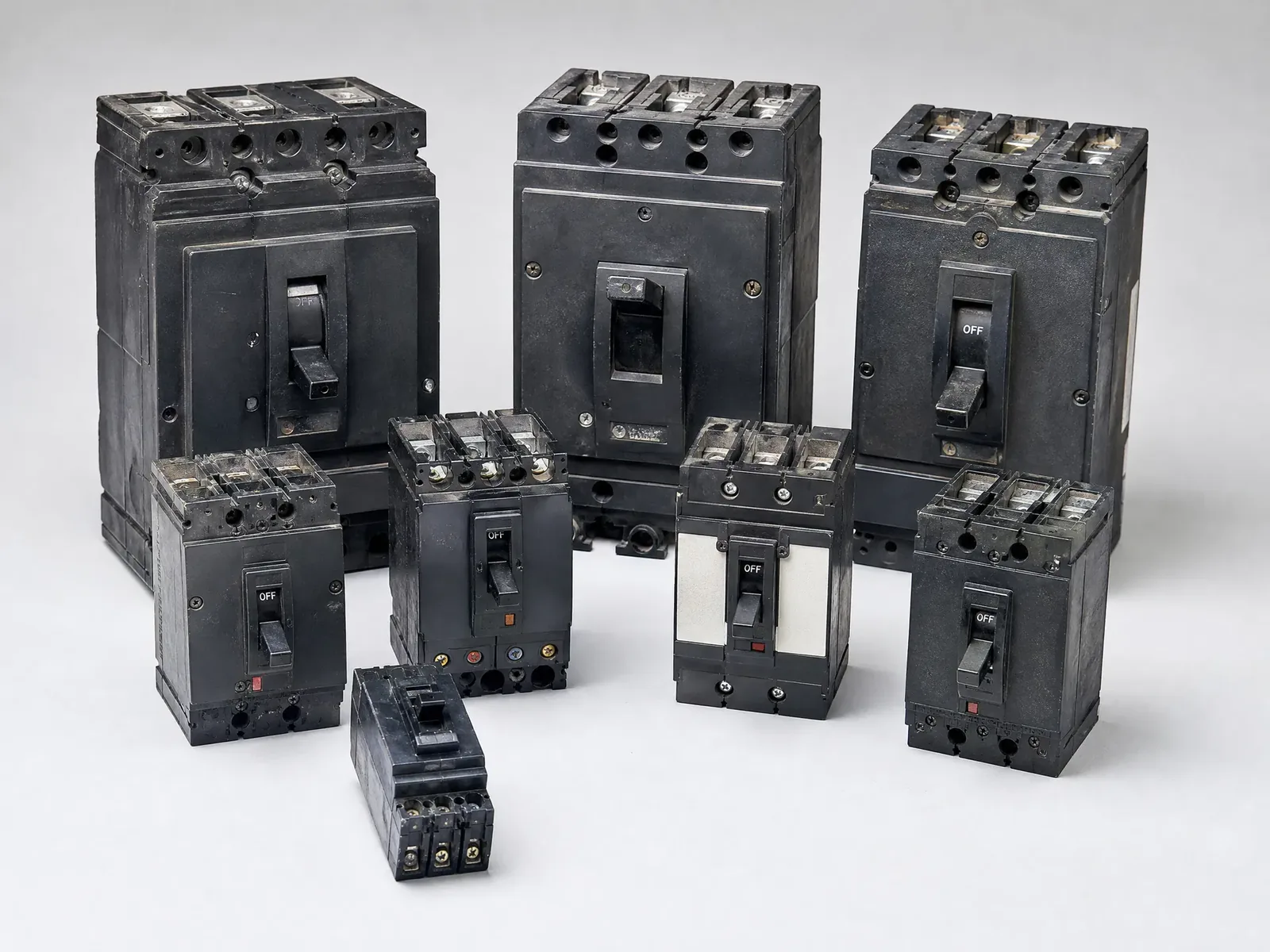
Submit surplus new-in-box breakers, clean unused spares, identifiable removed breakers, and organized lots from switchgear, panelboards, motor-control equipment, or distribution projects. Molded-case, insulated-case, low-voltage power, air, feeder, main, shunt-trip, and drawout breakers can warrant review when configuration is documented. Accessories, packaging, matching quantities, and intact labels help evaluation.
State whether equipment is new surplus, removed, tested, untested, damaged, incomplete, exposed to water, smoke, or corrosion, or stored outdoors. Do not describe an untested breaker as serviceable. Preserve available maintenance, test, commissioning, or removal records with the lot. An accurate condition statement keeps review grounded in the actual equipment.
New surplus and maintenance spares with labels or packaging
Molded-case, insulated-case, and low-voltage power breakers
Drawout breakers, cradles, cells, and matching accessories when identified
Project overages, panel upgrades, plant changes, and decommissioning inventories
03
Identify the breaker before asking for a review
Appearance alone is rarely enough. Photograph the maker’s nameplate and catalog or model number, then record frame, trip rating, poles, voltage, and interrupting rating. For electronic-trip equipment, include the trip-unit label and visible rating plug or settings. For drawout or power breakers, identify mounting, frame or cell relationship, position, and included cradle, rails, shutters, secondary disconnects, or racking components. These details distinguish similar-looking configurations.
Use equipment labels and existing records rather than estimating ratings from the enclosure. If a label is obscured, send a close photo and explain why. Include exterior views and serial numbers when present. Do not disassemble a breaker or open energized electrical equipment for information. Leave any work inside equipment to qualified, authorized site personnel.
04
Build a photo and data package that answers the practical questions
One organized email or spreadsheet is more helpful than a collection of unlabeled images. For every line item, list manufacturer, catalog/model number, frame, trip rating, poles, voltage, interrupting rating, trip unit, mounting or drawout details, quantity, and condition. Add the equipment’s location within the property, whether it remains installed, and any known missing parts. Photograph the front, both sides where practical, nameplate, terminals or stabs only when safely accessible after authorized de-energization, accessories, packaging, and visible defects.
For a large lineup, assign each breaker an item number matching its photos and documentation. Show aisle width, doors, stairs, dock position, or room layout. An authorized inventory, single-line diagram, packing list, purchase record, or manufacturer document can reconcile variations. Texas distinguishes qualifying data centers through facility, investment, and job requirements; equipment review remains item-specific. [Texas Comptroller of Public Accounts](https://comptroller.texas.gov/taxes/data-centers/)
05
Keep de-energization, authorization, and documentation in order
Selling equipment never overrides facility safety rules, outage plans, lease obligations, security procedures, or owner approval. Confirm authority to release the equipment and address needed lender, landlord, customer, insurer, or project-owner approval. Retain a lot list, release authorization, removal scope, and chain of custody. Follow the site process before offering equipment from a regulated or owner-managed installation.
Never open, service, rack, remove, or handle energized electrical equipment for photography or sale preparation. Hazardous energy may be electrical, mechanical, hydraulic, pneumatic, chemical, or thermal. OSHA explains that lockout/tagout controls unexpected startup or stored-energy release during servicing. Qualified, authorized personnel following employer procedures must handle de-energization, isolation, verification, and removal; a buyer review does not replace that responsibility. [OSHA control of hazardous energy](https://www.osha.gov/control-hazardous-energy)
06
Plan freight and site access around the DFW operating environment
Dallas–Fort Worth projects may sit in active logistics buildings, airport-adjacent facilities, manufacturing plants, data halls, or dense commercial construction sites. Describe the pickup environment factually: street-level door, dock, forklift availability, pallet condition, loading restrictions, required appointments, security badging, escort rules, staging area, vehicle limits, and whether a licensed contractor must perform removal. Do not assume that a freight carrier can enter a secure airside, data-center, hospital, or occupied project area without the owner’s approval.
Regional freight capacity does not eliminate site planning. DFW Airport describes air cargo as important to North Texas and notes more than 150 freight forwarders in the area; Arlington’s economic-development authority highlights airports, highways, and railways. Each lot still needs its own access, packaging, and authorization review. State whether equipment is palletized, loose, installed, or needs crating. [DFW Airport Cargo](https://www.dfwairport.com/business/opportunities/cargo/) [Arlington Economic Development Corporation](https://www.arlingtontx.gov/Business/Economic-Development-Corporation)
Never open energized equipment or remove electrical equipment solely for an inquiry. Use qualified personnel, lockout/tagout procedures and applicable site rules.
Straight answers
Questions sellers ask.
These answers are intentionally specific and conditional. Final terms depend on the equipment and written agreement.
Can I submit circuit breakers from a Dallas–Fort Worth data center upgrade?+
Yes. List manufacturer, catalog number, ratings, trip-unit details, quantity, condition, removal status, and access rules. Share confidential operating information only when authorized. A data-center submission is evaluated case by case, not solely by project type.
What if I only have a photo and no catalog number?+
Send the clearest safe nameplate, front, side, and mounting photos, plus dimensions and labels from packaging or records. Say the catalog number is unknown rather than guessing. Photos may establish what additional information is needed.
Do used breakers need to be tested before I submit them?+
You may submit used or untested equipment, but state its status accurately and include available records. Do not energize equipment or conduct work outside approved site procedures merely to create a sale package.
Can breakers still installed in switchgear be considered?+
They can be described if the owner has authority to offer them and can explain removal status, outage constraints, and included components. Do not remove, rack, or access installed equipment for an inquiry; qualified, authorized personnel must manage electrical work.
What documents should accompany a breaker lot?+
Useful records include an itemized inventory, release authorization, authorized single-line or equipment schedule, maintenance or test records, purchase or packing records, and notes about missing parts or damage. Match records and photos to item numbers.
How should I describe freight access at my facility?+
Provide address area, access hours, dock or grade-level availability, loading equipment, pallet or crate status, weight if known, vehicle restrictions, appointments, security requirements, and removal status. This enables informed review without assuming a pickup method or access approval.