Sell Circuit Breakers in Charlotte, NC | Equipment Buyers
Transformer Buyers reviews surplus and used circuit-breaker opportunities from Charlotte facilities case by case. Share clear equipment details, condition and site-access information so the team can assess whether your breaker inventory is a fit.
02Clear nameplate photos support accurate identification.
03Only qualified, authorized personnel should isolate equipment.
04Dock, forklift and loading details matter for freight planning.
01
Direct answer
Who buys circuit breakers in Charlotte?
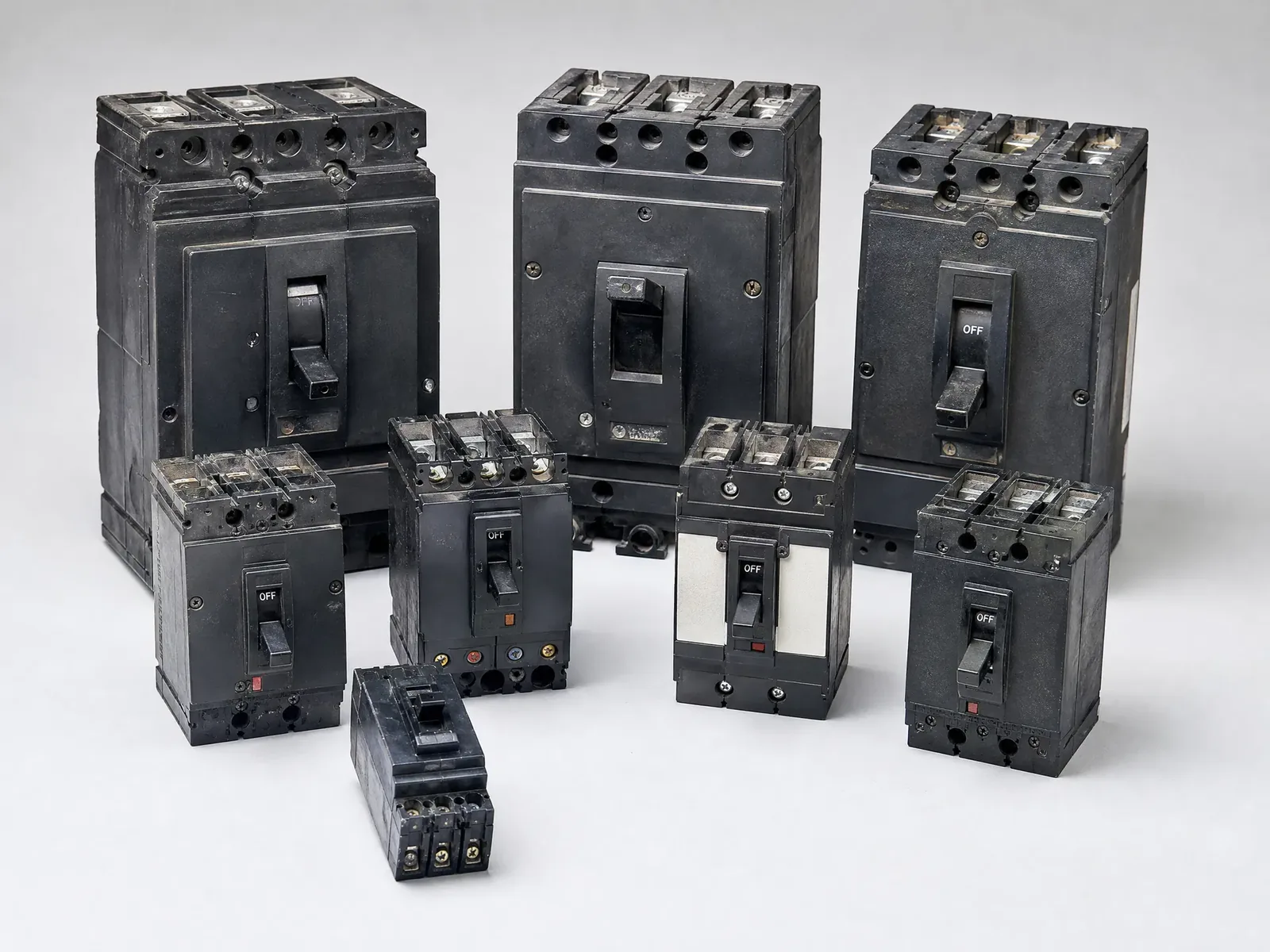
Transformer Buyers buys selected surplus and used circuit breakers from Charlotte, North Carolina sellers and reviews each opportunity case by case nationwide. A useful submission begins with accurate identification, photos and a practical description of the lot; the review can then consider model, ratings, condition, quantity and removal or freight constraints without assuming every item will qualify.
Charlotte is a sensible place to uncover electrical surplus because the regional business base spans advanced manufacturing, financial services, IT and technology, and logistics and distribution, according to the Charlotte Regional Business Alliance [1]. Campus renovations, panel upgrades, tenant changes, plant maintenance, construction closeouts and warehouse consolidations can leave documented breakers outside an owner’s current plan.
Molded-case, insulated-case and air circuit breakers
Panelboard, switchboard and switchgear spares
New surplus, take-outs and organized maintenance inventory
Compatible accessories when identified with their parent equipment
02
Start with the breaker’s actual identity
Read the label or nameplate rather than estimating from the enclosure size. Photograph the front label, side labels, the handle, terminal area when safely accessible with equipment de-energized, and any accessories or trip-unit display. Include the manufacturer; catalog or model number; frame rating; ampere or trip rating; number of poles; voltage; interrupting rating; trip-unit type and settings; and whether it is fixed-mounted, plug-in, bolt-on, drawout or stored in a cradle. These fields distinguish visually similar breakers and help prevent an incorrect comparison.
For electronic-trip or larger frame units, photograph every visible catalog tag on the breaker, rating plug, trip unit and drawout cell. State whether lugs, shunt trip, undervoltage release, auxiliary contacts, interlock parts, terminal shields or the cradle are included. NEMA maintains product categories and standards for molded-case breakers and protective devices [2]; practical resale identification still depends on the exact markings on the unit in front of you. Do not remove covers or defeat guards simply to obtain a photo.
Send readable photos, not a typed description alone.
List quantities by identical catalog number and configuration.
Note missing components, modifications, corrosion, damage or alarms.
Keep loose accessories bagged and labeled to the associated breaker.
03
Charlotte facility context: campuses, data centers and industrial sites
A Charlotte financial campus or data-center environment may have breakers from carefully managed switchgear lineups, redundant distribution paths or phased capacity work. Manufacturing and construction settings may instead produce project overage, discontinued spares, removed panels or a mixed closeout lot. Distribution facilities often add large quantities but may stage equipment across mezzanines, offices and dock areas. Describe the application and why the equipment is available; it gives the reviewer a useful starting point without replacing the nameplate data.
The City of Charlotte’s economic-development function includes business recruitment and expansion [3]. Project status, ownership approval and access rules may matter as much as the equipment. Share only authorized information and remove sensitive facility, network or security details from photos.
04
Safety and authorization come before inspection or removal
Never open energized equipment, reach into a live panel, remove a breaker or take live electrical measurements for a resale inquiry. Electricity can cause shock, arc-flash injury, fire and explosion; OSHA treats electrical work as a serious workplace hazard and directs workers to applicable standards and safe work practices [4]. The facility owner should use its own qualified, authorized electrical personnel and its established isolation, lockout/tagout, verification and protective-equipment procedures.
Before any inspection beyond exterior photos, confirm who controls the equipment, who may authorize release, whether the source is de-energized, and whether a licensed electrician, site safety representative or union procedure applies. A buyer review is not a work plan, hazard assessment or instruction to handle energized gear. If an item cannot be safely identified in its installed position, say so and submit the information already available; the opportunity can be evaluated with that limitation understood.
Obtain owner and facility authorization before listing or removing assets.
Follow the site’s electrical-safety and access procedures.
Do not rely on a handle position as proof that equipment is safe.
Pause if labels are unclear, barriers are damaged or conditions change.
05
Document lots so a review can be efficient
For a single breaker, a photo set and concise condition note may be enough to begin. For a Charlotte project closeout, warehouse cleanout or multi-panel retirement, build a simple inventory sheet: line number, manufacturer, catalog number, ratings, poles, mounting style, quantity, condition, photo filename and physical location. Add whether the breaker is installed, loose, palletized or crated. Separate exact matches from look-alikes; mixing frame sizes or trip ratings under one part number creates avoidable uncertainty.
Include the reason for sale, approximate availability window, any chain-of-custody or ownership documentation, and known test, maintenance or storage records. Identify whether equipment has been exposed to moisture, dust, heat, impact, smoke, pests or outdoor storage. North Carolina’s climate is becoming warmer, wetter and more humid, with heavy rainfall a recognized concern [5], so stored electrical inventory deserves a factual storage-condition note. Documentation does not guarantee purchase, but it lets Transformer Buyers evaluate a lot on its merits.
06
Plan freight and site access before equipment moves
Freight questions should be raised early for cabinet-mounted, drawout or bulk lots. Record approximate dimensions and weight if known, pallet count, packaging status, floor level, elevator or stair constraints, dock height, door and aisle clearances, forklift availability, loading hours, parking restrictions, security check-in, PPE requirements and any appointment process. Do not guess at weights or lift points; use equipment documentation, markings or qualified site personnel. A clear access description helps determine whether a potential transaction is practical.
Charlotte’s logistics setting makes careful coordination especially relevant: Charlotte Douglas International Airport reported handling 205,700 tons of cargo in 2024, and described continued cargo growth in 2025 [6]. That regional activity does not create a pickup promise or a fixed schedule for any seller. Transformer Buyers reviews freight, packaging and release conditions with each nationwide opportunity; an approved path, if any, depends on the specific equipment, seller documentation and site requirements.
Photograph pallets, labels and the path to the loading point.
State whether a dock, forklift or rigging resource is available.
Flag restricted buildings, tenant rules and required appointments early.
Keep serial-number and asset records aligned with the released items.
Never open energized equipment or remove electrical equipment solely for an inquiry. Use qualified personnel, lockout/tagout procedures and applicable site rules.
Straight answers
Questions sellers ask.
These answers are intentionally specific and conditional. Final terms depend on the equipment and written agreement.
Can I sell circuit breakers removed from a Charlotte office renovation?+
Possibly. Send photos and the exact catalog data, then explain whether the units are loose, labeled, complete and owner-authorized for release. Office-renovation equipment is reviewed case by case, just as inventory from any other market.
What breaker details should I send first?+
Provide manufacturer, catalog or model, frame, trip rating, poles, voltage, interrupting rating, trip unit, mounting or drawout details, quantity, condition and readable photos. Note accessories and any missing parts separately.
May I photograph a breaker while it is still energized?+
Do not open energized equipment or bypass guards for photographs. Use only safe exterior views permitted by the facility, and have qualified, authorized personnel follow the site’s electrical-safety procedures for any further work.
Do you buy breakers from data centers or financial campuses?+
Transformer Buyers may review properly documented surplus from those settings, including spares and equipment released during upgrades. Project authorization, exact identification, condition and security or access limits are all material to a case-by-case review.
What condition problems should I disclose?+
Disclose corrosion, heat marks, cracked cases, missing lugs or covers, moisture exposure, smoke or dust exposure, modifications, unknown operation and incomplete accessories. Direct condition notes are more useful than trying to sort equipment into a general grade.
What do you need for a multi-pallet warehouse or construction lot?+
Send an inventory by part number with quantities, photos, packaging status, lot location, ownership-release documentation and dock or forklift information. Include site hours, appointment rules and restrictions that could affect any potential freight plan.