Sell Circuit Breakers in Jacksonville, FL | Equipment Buyers
Transformer Buyers reviews surplus, used, and removed circuit breakers from Jacksonville, Florida, nationwide on a case-by-case basis. Send clear identification, condition, quantity, and release details so the equipment can be evaluated responsibly before anyone plans removal or freight.
01Scope: nationwide opportunities reviewed case by case.
02Freight context: port, rail, highway, and industrial corridors.
03Useful details: nameplate, configuration, condition, and quantity.
04Safety first: release equipment only after authorized de-energization.
01
Direct answer
Who buys circuit breakers in Jacksonville, FL?
Transformer Buyers buys and reviews circuit breaker opportunities from Jacksonville-area owners, contractors, facility managers, distributors, and industrial sellers. The company reviews nationwide opportunities case by case rather than representing a Jacksonville office, crew, or warehouse. A useful submission lets the team determine whether the breaker type, completeness, quantity, condition, and practical release information merit further discussion.
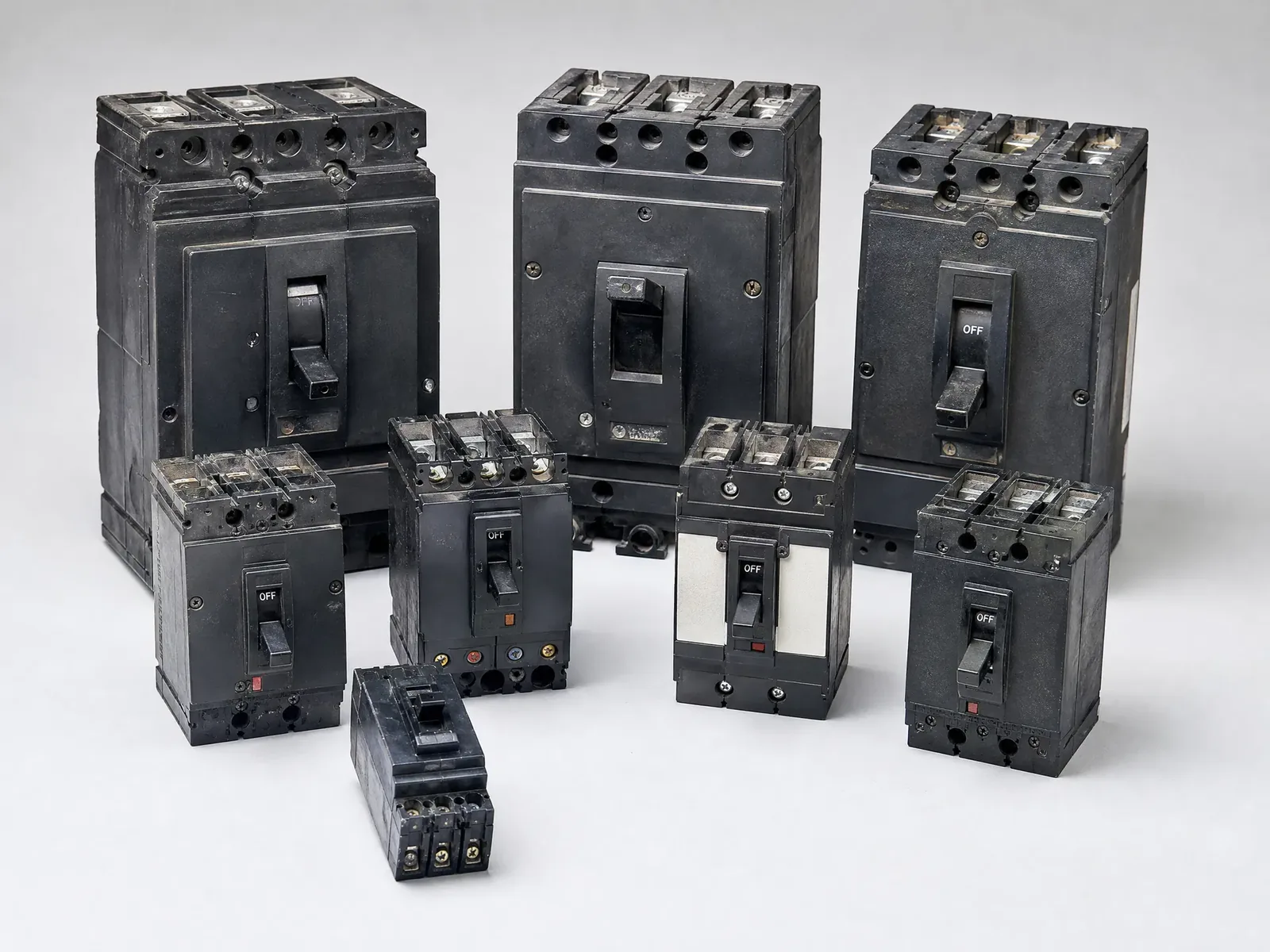
Sellable material may include surplus molded-case, insulated-case, and low-voltage power circuit breakers; drawout air breakers; feeder and main breakers; new old stock; spares from upgrades; and documented take-outs. Brand, vintage, ratings, accessories, and damage all matter. A breaker still mounted in service, a partial assembly, or a lot with missing trip units can still be described, but those details change how it is evaluated. Do not assume every breaker or mixed lot has the same resale path.
02
Jacksonville context: ports, distribution, defense, and development
Jacksonville sellers often work within complex operating environments rather than simple dock-door pickups. JAXPORT describes a freight network tied to ocean cargo, Class I rail, and trucking, with cargo facilities at Blount Island, Dames Point, and Talleyrand. That setting can make accurate site notes especially valuable when breakers come from port-adjacent warehouses, distribution operations, fleet facilities, or commercial electrical renovations. Describe the actual site; do not infer access from a Jacksonville address alone.
The City of Jacksonville identifies Naval Air Station Jacksonville, Naval Station Mayport, Marine Corps Blount Island Command, and other regional installations as part of Northeast Florida's military presence. It also identifies Cecil Commerce Center as a large industrial and commercial development area adjacent to I-10. For any controlled, leased, government, port, or active-development property, the seller should confirm ownership, authorization to release material, escort or badging requirements, work-window rules, and who can approve loading. Those facts help avoid an unusable offer discussion.
03
Identify each breaker before asking for a review
Start with sharp, readable photographs of the front, nameplate, catalog or model marking, sides, rear connection area, and any visible accessories. One overview photo establishes scale and mounting; close-ups establish identity. Do not rely on a panel schedule or a verbal amp rating when the nameplate can be photographed. If labels are faded, include the clearest image available and note what cannot be read rather than guessing.
For a large lineup or storeroom, group identical units and identify the quantity per configuration. Separate complete breakers from loose trip units, cradles, shutters, mounting hardware, and damaged pieces. A spreadsheet, inventory list, or simple numbered photo sheet makes it easier to match each item to the right description.
Manufacturer and catalog or model number, plus any serial or date code visible.
Frame size and trip rating; for electronic units, the trip-unit model and settings if readable.
Number of poles, voltage rating, interrupting rating, and AC or DC application where marked.
Fixed, plug-in, bolt-on, panelboard, drawout, or other mounting details; include cradle information for drawout breakers.
Quantity, current condition, known operation history, completeness, and whether the items are loose, palletized, or installed.
04
Protect people and preserve the equipment record
Never open energized electrical equipment to take photographs, read a hidden label, or remove a breaker for sale. Electrical work and energy isolation belong to qualified, authorized personnel following the site's procedures. OSHA explains that electrical and other stored energy can seriously injure workers and that lockout/tagout procedures are intended to control hazardous-energy release. This page is not a substitute for the facility's electrical safety program, job hazard analysis, or applicable regulations.
Before a breaker is released, the asset owner or authorized representative should confirm that it is surplus and eligible to leave the site. Record the de-energization status, any applicable lockout/tagout or clearance process, and the person or department authorized to approve release. Do not disconnect conductors, defeat interlocks, force a racking mechanism, or bypass access controls to improve photos. Condition notes should distinguish ordinary storage dust from corrosion, heat marks, water exposure, cracked housings, missing covers, altered labels, or visible mechanical damage.
05
Make the lot documentation easy to assess
A concise lot file reduces follow-up and protects the seller's own record. Include an inventory with item numbers, quantities, location, photos, equipment identifiers, and notes on whether accessories belong to each breaker. Add invoices, maintenance records, test reports, commissioning files, decommissioning records, or warehouse receiving documents when they are available and appropriate to share. Documentation supports identification; it should not be treated as a present performance certification.
For breakers removed during tenant turnover, switchgear replacement, warehouse consolidation, or commercial construction, note what is known about origin and chain of custody. State whether the lot is owned outright, subject to a lease or owner approval, held as contractor surplus, or awaiting a project closeout decision. If information is unknown, say so. Transparent unknowns are more useful than polished assumptions and help keep the discussion focused on the actual material.
06
Plan freight and site access without making assumptions
Freight planning begins after the equipment, ownership, and release conditions are understood. Provide the Jacksonville site address or general area, floor or yard location, loading-dock availability, gate or appointment rules, aisle width, stair or elevator constraints, pallet condition, estimated weight when known, and the loading equipment available. A drawout breaker, a pallet of molded-case units, and an installed lineup require very different handling plans. Do not estimate lifting needs from a catalog image alone.
Port-adjacent, distribution, military-related, and active commercial sites may have appointment, security, traffic, or project-schedule limits. Share those constraints early, along with any packing, segregation, or export-control requirements set by the owner. Transformer Buyers evaluates the practical facts of each nationwide opportunity case by case; an evaluation is not a promise of a pickup date, price, payment timing, or site service. Clear access information helps all parties decide whether a safe, authorized transaction is feasible.
Never open energized equipment or remove electrical equipment solely for an inquiry. Use qualified personnel, lockout/tagout procedures and applicable site rules.
Straight answers
Questions sellers ask.
These answers are intentionally specific and conditional. Final terms depend on the equipment and written agreement.
Can I sell circuit breakers that came out of a Jacksonville warehouse upgrade?+
Potentially. Send photos, nameplate details, quantities, condition, and documentation showing that the owner or authorized party may release the material. Identify whether units are loose, palletized, or still installed.
What information matters most on a circuit breaker nameplate?+
The manufacturer, catalog or model number, frame, trip rating, poles, voltage, interrupting rating, and trip-unit information are the most useful starting points. Include mounting or drawout details because similar-looking breakers may not be interchangeable.
Do you review small quantities as well as larger breaker lots?+
Transformer Buyers reviews nationwide opportunities case by case. Submit the actual quantity and configuration rather than combining unlike items into a single count; the equipment and documentation determine whether further discussion makes sense.
May I photograph a breaker while it remains in an energized panel?+
Do not open energized equipment or take actions that expose you to electrical hazards. Use only safe, authorized access and ask qualified site personnel to follow the facility's energy-control and electrical-safety procedures.
What should I document for a breaker lot from a controlled facility?+
Confirm ownership and release authority, then provide the approved contact, inventory, photos, condition notes, access restrictions, required appointments or badging, and the available loading arrangement. Do not share restricted information that you are not authorized to disclose.
Does a review mean that freight or removal has been scheduled?+
No. A review is an initial assessment of the equipment and practical circumstances. Freight, handling, timing, and any transaction terms require separate confirmation after the details, authorization, and site-access conditions are understood.