Sell Circuit Breakers in Memphis, TN | Equipment Buyers
Transformer Buyers reviews circuit breaker opportunities from Memphis and across the country case by case. Send clear identification, condition, quantity, and site-access details so a buyer can determine whether the equipment is a practical fit for resale or reuse.
03Only authorized, de-energized equipment should be handled
04Lot and access details matter for freight planning
01
Direct answer
Who buys circuit breakers in Memphis, TN?
Transformer Buyers considers surplus, removed, and project-excess circuit breakers offered by Memphis-area facility owners, contractors, plant teams, distributors, and asset managers. It reviews nationwide opportunities case by case, not as a Memphis-based purchasing operation. A review needs enough detail to identify the device and assess its condition, quantity, documentation, and release circumstances.
Memphis is a logical market for organized electrical-equipment surplus because its economy connects air cargo, roads, rail, river freight, distribution, and manufacturing. The local economic-development authority describes an integrated transport system and distribution activity, while Shelby County identifies airport cargo, carriers, railroads, trucking, and the Mississippi River as logistics assets. These industries can produce upgrades, spares consolidation, tenant changes, and decommissioning work that each need an individual review.
02
What kinds of breakers may be worth submitting?
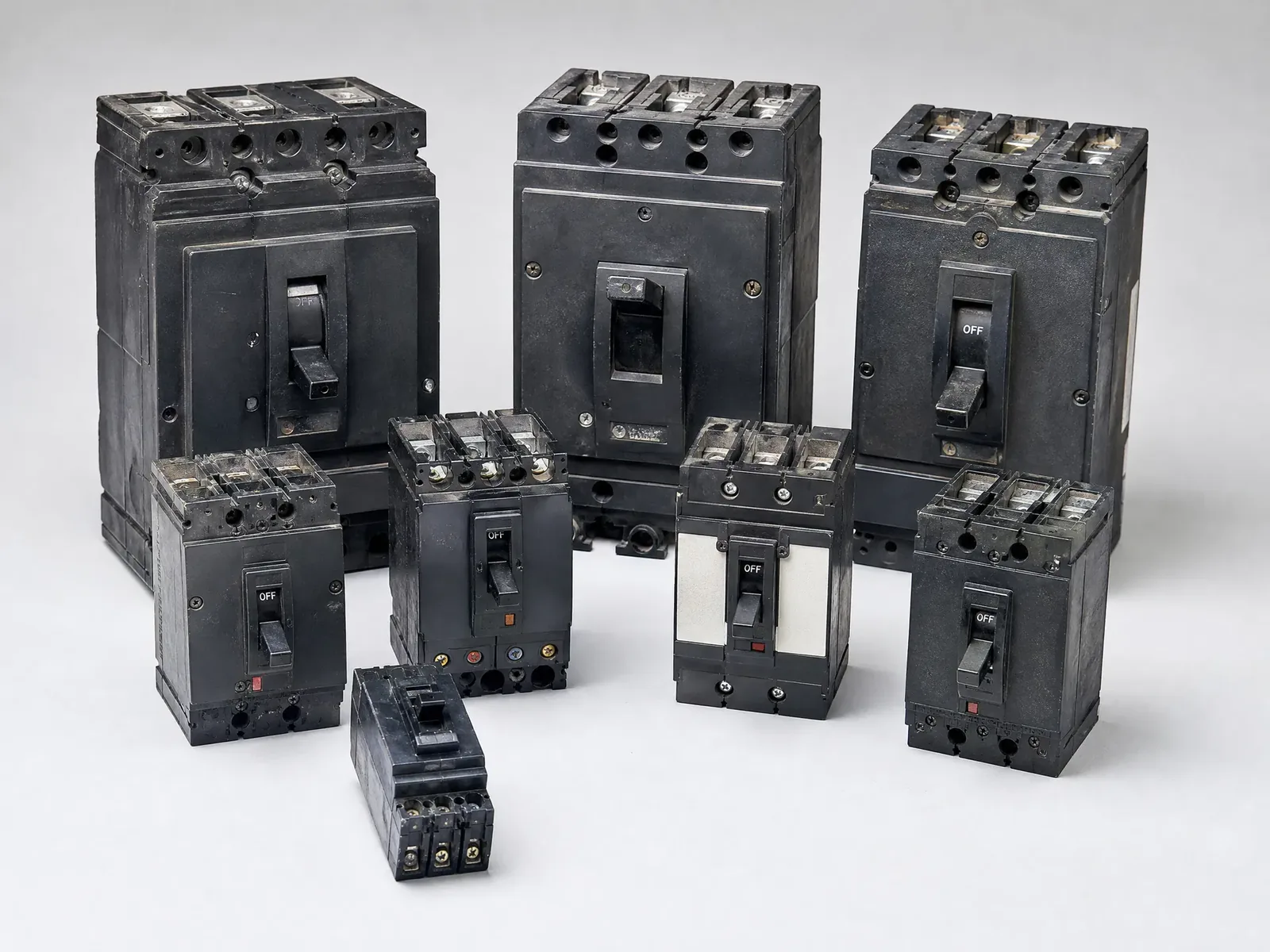
Submit industrial and commercial circuit breakers that are surplus, removed from service by an authorized party, or left over from a completed project. Examples can include molded-case breakers, insulated-case breakers, power breakers, miniature breakers, motor-protection breakers, and certain low- and medium-voltage breaker assemblies. Availability of matching accessories, hardware, trip units, cradles, or spare parts can be useful context, but it does not by itself establish suitability.
Useful lots are identified rather than described broadly as “electrical breakers.” A current-production unit, matching spares, or an orderly warehouse lot may merit review. Describe severe corrosion, missing parts, modification, fire exposure, water intrusion, unknown provenance, or unreadable labels plainly. Do not clean, test, alter, or disassemble a breaker to improve presentation; report what is known and retain it in its safe state.
Common makers and product families, when readable
Individual devices, matched spares, panel takeouts, or full warehouse lots
Loose breakers and drawout units, with their relevant mounting components
New surplus, used surplus, removed equipment, and parts-only material clearly separated
03
Identify the breaker from its nameplate, not its enclosure
Start with the breaker’s label or nameplate. Manufacturer, catalog or model number, frame, trip rating, poles, voltage, interrupting rating, and trip-unit information distinguish similar-looking devices. The National Electrical Manufacturers Association maintains a molded-case circuit-breaker standards category, underscoring why device category and ratings matter more than a generic cabinet description.
State whether the breaker is fixed-mounted, plug-in, bolt-on, panelboard style, or drawout. For a drawout breaker, identify the cradle or cell relationship, visible shutter or racking details, and whether it is removed. A switchboard-lineup label is not substitute for breaker data. If a nameplate is faded, include close and wider images; do not guess ratings from enclosure size.
04
Send photos and data that allow an informed review
A concise inventory plus photographs reduces follow-up. Photograph the front, side, rear or terminals only when safely accessible, nameplate, catalog label, trip unit, mounting interface, accessories, packaging, and visible defects. Include a wide lot image and associate every photo with a line item or lot number so similar breakers are not confused.
For every line or matched lot, provide manufacturer; catalog or model; frame; trip rating; poles; voltage; interrupting rating; trip unit; mounting or drawout details; quantity; and condition. State whether it is new surplus, previously installed, documented-tested, untested, incomplete, damaged, or parts-only. Disclose modifications or missing lugs, contacts, handles, covers, plugs, or hardware. Precise disclosure is more useful than assumptions about operability.
Nameplate and catalog-number close-ups that remain readable when enlarged
A count by identical catalog number, rather than an estimated total only
Packaging, serial or date codes when available, and accessory identifiers
Protect people and operations before documenting equipment
Never open energized equipment, defeat interlocks, remove a breaker, or reach into a panel to obtain photos for a potential sale. In a medical facility, distribution center, air-cargo operation, or manufacturing plant, electrical work can affect continuous operations and must remain under the owner’s controls. Use the site’s authorization process and qualified electrical personnel to decide what can be accessed, isolated, photographed, or released. A circuit breaker should not be treated as safe merely because it appears switched off.
OSHA says exposed live parts generally must be de-energized before work on or near them, and de-energized equipment must be locked or tagged under the required procedure. Its standard also requires qualified-person verification before equipment is considered de-energized. Preserve site lockout/tagout, safety, infection-control, security, and operational procedures; a buyer review does not replace them. Document the party authorized to offer the equipment and any approved release date.
06
Document the lot and plan for Memphis freight access
Good lot records establish what is offered and whether it may be released. Provide an inventory with line numbers, counts, storage location, ownership or disposal authorization, relevant project reference, and handling restrictions. Separate electrical equipment from unrelated material. For upgrade removals, note whether work was completed by an authorized contractor and whether items remain installed, committed as spares, or subject to client, landlord, lender, utility, or project-closeout approval.
Memphis freight planning must be site-specific. The region’s air, road, rail, and river connections support major logistics activity, and Memphis International Airport hosts the FedEx World Hub; neither removes the need to assess actual pickup conditions. State the address, floor, dock or grade-level access, restrictions, forklift or rigging availability, dimensions, estimated weights, pallet condition, trailer limits, security check-in, appointment rules, and operating hours. Air-cargo, distribution, and healthcare sites may have controlled access or continuity requirements. Include them early so handling can be evaluated without disrupting the facility.
Never open energized equipment or remove electrical equipment solely for an inquiry. Use qualified personnel, lockout/tagout procedures and applicable site rules.
Straight answers
Questions sellers ask.
These answers are intentionally specific and conditional. Final terms depend on the equipment and written agreement.
Can I submit only a few surplus circuit breakers from a Memphis project?+
Yes. A small group, a single identifiable breaker, or a larger warehouse lot can be submitted for case-by-case review. Include complete ratings, condition, photos, quantity, and the reason the item is available. Whether an opportunity is workable depends on the particular equipment and release details, not only the number of units.
What if the breaker is still installed in active equipment?+
Do not remove it or open energized gear for a sale inquiry. First follow the owner’s authorization, operational, and electrical-safety procedures. An authorized qualified electrical professional should control any isolation, verification, removal, and documentation. You can submit exterior photos and available records without disturbing the equipment.
Which ratings do you need from the circuit breaker?+
Send the manufacturer, catalog or model number, frame, trip rating, poles, voltage, interrupting rating, and trip-unit details. Also state the mounting type or drawout relationship. Clear nameplate images are preferable to transcribed values alone, especially when a part number has suffixes or accessories.
Can used or untested breakers be included in an offer?+
They can be described for review, provided their status is disclosed accurately. Separate new surplus, installed-and-removed, documented-tested, untested, damaged, incomplete, and parts-only material. Do not represent equipment as tested or serviceable unless you have records that support that statement.
What paperwork should accompany a circuit-breaker lot?+
Provide the inventory, item count, photos, storage location, owner or authorized seller contact, and any disposal or release authorization. Project references, packing lists, maintenance records, test documents, and proof of accessories can be helpful when available. Keep confidential facility information out of images or redact it through your approved process.
What site-access details are important for shipping from Memphis?+
Describe dock or ground-level access, floor level, palletization, dimensions, estimated weights, handling equipment, security rules, scheduling limits, and any facility restrictions. Identify whether the equipment is at a medical, manufacturing, warehouse, or controlled logistics site. This information helps evaluate the practical freight and release requirements for that specific opportunity.