Sell Circuit Breakers in New Orleans, LA | Equipment Buyers
Transformer Buyers reviews surplus, used, and decommissioned circuit-breaker opportunities from New Orleans and nationwide on a case-by-case basis. A clear equipment list, readable labels, truthful condition notes, release authority, and practical site-access details help establish whether a particular item or lot is suitable for further discussion.
02Readable nameplates distinguish similar breakers.
03Authorized de-energization precedes any removal.
04Freight planning depends on actual site conditions.
01
Direct answer
Who buys circuit breakers in the New Orleans market?
Transformer Buyers reviews qualifying circuit breakers from New Orleans owners, electrical contractors, facility managers, distributors, and project teams. The review is nationwide and case by case, not an automatic purchase. Identification, quantity, condition, ownership, records, and safe movement constraints all affect whether a breaker or lot is a fit.
Send the facts before making removal plans: a line-item list, safe exterior photographs, condition notes, and the location within the property. The circuit-breaker city directory provides location context, while the buyer hub and equipment guides explain how molded-case, air, power, and drawout equipment should be described. An accurate submission is more useful than a value estimate based only on appearance.
02
Why New Orleans operating context matters to a seller
Port activity can make access and documentation as important as the breaker itself. Port NOLA connects rail, river, and road freight, and its terminals handle containers, breakbulk, and project cargo [1]. For equipment from a terminal, waterfront warehouse, or contractor yard, disclose appointment rules, gate or escort procedures, truck routing, staging space, and who can authorize release; do not assume normal dock access.
The regional industrial setting also varies. Louisiana Economic Development identifies major petrochemical operations in Plaquemines and elsewhere along the lower Mississippi corridor [2]. A support shop, plant project, or spare room may have maintenance records, controlled access, contamination concerns, or outage restrictions that belong in the submission. State only what is known and separate clean, complete surplus from unknown or affected material.
Hospitality, health care, and resilient infrastructure create different but equally specific electrical environments. New Orleans & Company is the city’s official tourism-industry destination organization [3], while LCMC Health operates eight hospital locations in the region [4]. The City also describes stormwater work intended to reduce flooding burden on drainage and pumping systems [5]. Hotel, hospital, and infrastructure lots may require strict access coordination, owner approval, and careful disclosure of water exposure or emergency-service status.
03
What circuit breakers may be worth submitting
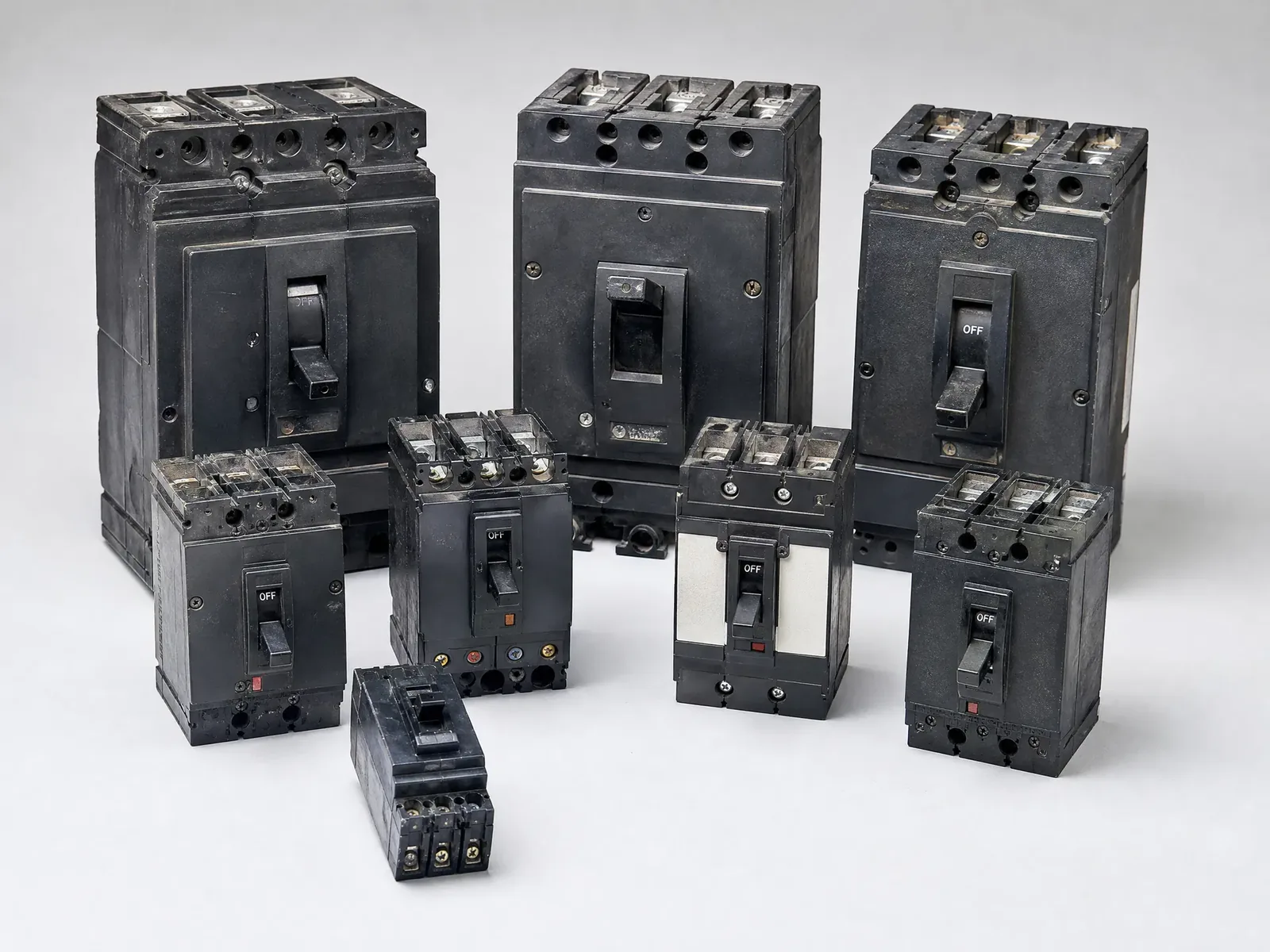
Submit identifiable new surplus, shelf spares, removed breakers, and organized project lots. Molded-case, insulated-case, low-voltage power, air, vacuum, fixed, plug-in, bolt-on, and drawout breakers can be relevant. A complete drawout assembly may include a breaker, cradle or cassette, shutters, rails, secondary disconnects, racking interface, and accessories; record what is included rather than assuming all pieces match.
Keep each manufacturer and catalog number separate. Mark units as new surplus, installed-but-removed, tested, untested, incomplete, damaged, corroded, or exposed to water, smoke, heat, or impact. Do not call untested equipment serviceable. Missing trip units, lugs, covers, stabs, hardware, or packaging should be disclosed because they change identification, condition review, and handling needs.
Labeled maintenance spares and new-in-box surplus
Molded-case, insulated-case, power, air, and drawout breakers
Breaker-and-accessory sets with matched components noted
Separated renovation, plant-support, hotel, hospital, or port-related lots
04
Identify every breaker with photos and nameplate data
For each item, send manufacturer; catalog or model number; frame; trip or ampere rating; poles; voltage; interrupting rating; trip-unit type and rating; mounting style; drawout details; quantity; and condition. Photograph the front, nameplate, catalog label, sides, terminals or stabs only when safely accessible, accessories, packaging, and visible defects. A close, readable label prevents different frames, kA ratings, or trip configurations from being treated as interchangeable.
For electronic-trip or drawout equipment, add photos of the trip unit, rating plug when visible, cell or cradle identification, keying, shutters, racking interface, and included hardware. Use an item number that matches the images and spreadsheet row. Include known age, service history, maintenance or test records, and removal status, but do not guess a rating from the enclosure or dismantle equipment to find it.
05
Put safety, authority, and lot records before removal
Never open energized equipment or remove, rack, service, or inspect a breaker inside energized gear for a sale inquiry. Hazardous energy can be electrical, mechanical, hydraulic, pneumatic, chemical, or thermal; OSHA explains that lockout/tagout procedures control unexpected startup and stored-energy release [6]. The facility’s qualified, authorized personnel must follow its energy-control, verification, outage, and removal procedures. Buyer interest never substitutes for those responsibilities.
Confirm who owns the equipment and who may release it before offering a lot. Retain an itemized inventory, asset-release authorization or bill of sale, removal scope, site contact, chain-of-custody notes, and available maintenance, test, or commissioning records. Identify landlord-owned, leased, utility-owned, customer-controlled, or security-restricted gear early. Report oil, contamination, damaged insulation, environmental labels, or water exposure without making unsupported claims about disposition.
06
Describe freight and site access without assumptions
A useful access note gives the property address, building or yard location, floor, number of pieces, pallet or crate status, approximate dimensions and weights if known, dock or grade-level loading, forklift availability, and any rigging need. Also state permitted hours, appointments, badging, escorts, truck-size limits, staging space, parking constraints, weather protection, and whether a licensed contractor controls removal. These facts inform review; they are not a promise of a pickup method or schedule.
New Orleans conditions can differ sharply between a secure port site, an industrial-support location, a hotel loading area, a hospital campus, and municipal work near drainage assets. Give the person who can coordinate access, but do not share restricted operational details without authority. If equipment remains installed, say so. If it is already loose, stabilize and identify it according to site rules before considering packing or transport.
Never open energized equipment or remove electrical equipment solely for an inquiry. Use qualified personnel, lockout/tagout procedures and applicable site rules.
Straight answers
Questions sellers ask.
These answers are intentionally specific and conditional. Final terms depend on the equipment and written agreement.
Can I submit breakers removed from a New Orleans hotel renovation?+
Yes, provided you can identify the units, describe their condition, and confirm authority to sell them. Separate intact breakers from demolition damage, provide counts by exact catalog number, and explain loading-area, guest-access, appointment, or contractor restrictions. Each opportunity is reviewed case by case.
What if my breaker label is faded or the catalog number is missing?+
Send the clearest safe photos of the front, sides, remaining label, mounting, trip unit, and accessories, plus measurements and related panel or inventory records. State that the number is unknown instead of guessing. A reviewer can determine whether further identification is needed.
May I photograph a breaker while it is still installed in switchgear?+
Only take safe exterior photos permitted by the facility. Never open or handle energized equipment for photography. Any isolation, verification, access, racking, or removal must be performed under the owner’s procedures by qualified, authorized personnel. You can submit installed equipment with its removal status noted.
Which details affect review of a drawout breaker?+
Provide the manufacturer, catalog number, frame, trip rating, poles, voltage, interrupting rating, trip unit, breaker position, and the associated cradle or cell details. Show included shutters, rails, secondary connections, keying, racking components, and any missing hardware. Configuration matters as much as appearance.
Can a mixed pallet from an industrial-support project be reviewed?+
It can be submitted when the contents are separated and counted by exact item where practical. Mark unknown, incomplete, corroded, damaged, or water-exposed units apart from documented surplus. Pallet photos paired with a row-by-row inventory are more useful than one total quantity.
What access information should accompany a port, hospital, or secure-site lot?+
Describe the precise location, release contact, dock or ground access, loading equipment, staging space, appointment process, badge or escort rules, vehicle limits, contractor requirements, and permitted work hours. Include whether equipment is installed or prepared for shipment. This supports planning without assuming access approval or freight arrangements.