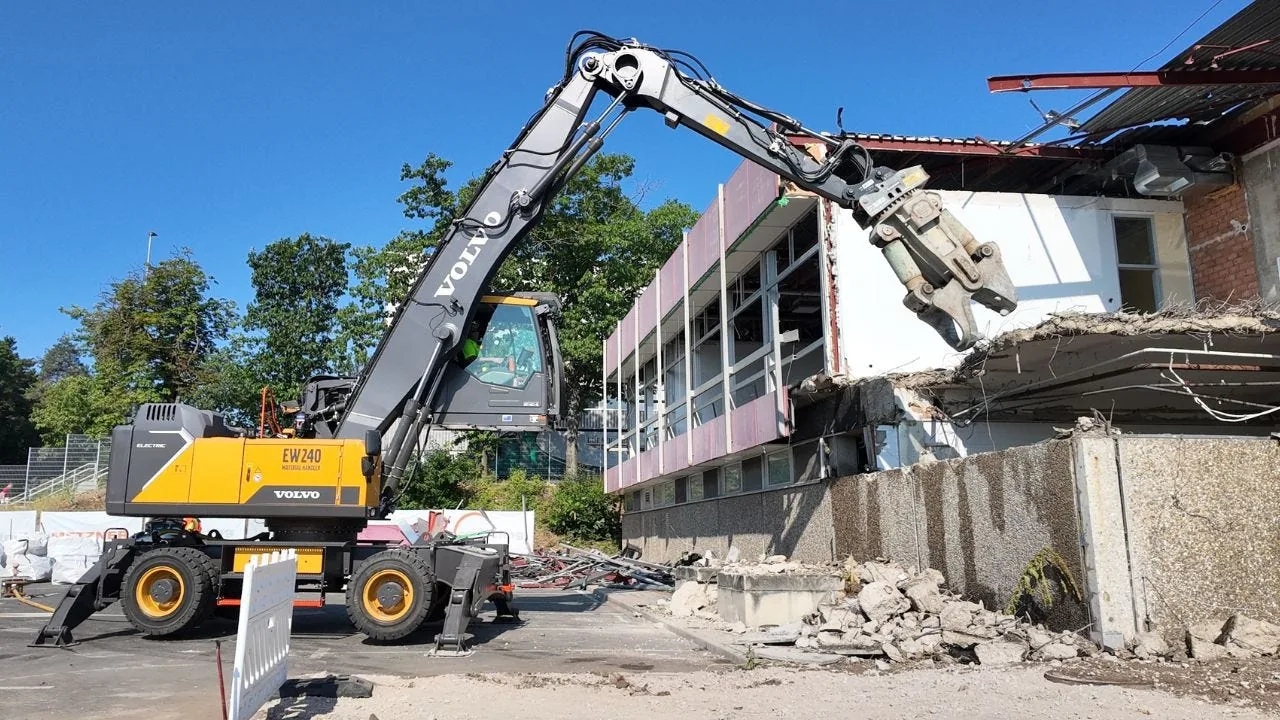
First-party photo of a commercial demolition and equipment-recovery site

Philadelphia circuit breaker buyers

Sell Circuit Breakers in Philadelphia, PA | Equipment Buyers

Transformer Buyers reviews surplus, used, and removed circuit breakers from Philadelphia facilities on a nationwide, case-by-case basis. Send clear equipment details and site information so the opportunity can be evaluated responsibly before any removal or freight planning begins.

At a glance

01Case-by-case review for nationwide opportunities
02Photos and nameplates support an accurate evaluation
03Authorized, de-energized equipment only
04Lot records and access notes help plan freight
01

Direct answer

Who buys circuit breakers in Philadelphia?

Transformer Buyers reviews qualifying circuit-breaker opportunities in Philadelphia through a nationwide purchasing program. Facility managers, contractors, universities, health systems, laboratories, demolition teams, and surplus owners can submit equipment for review. Each opportunity is assessed on its equipment, condition, quantity, documentation, and access facts; a Philadelphia address alone does not establish eligibility or value.

Relevant material may include surplus or removed molded-case, insulated-case, low-voltage power, air, feeder, and drawout breakers, plus selected distribution components. Sellers often request review during switchgear replacements, lab buildouts, storeroom clearances, or controlled industrial projects. Value depends on make, ratings, configuration, condition, demand, and whether the lot is consistently documented.

Philadelphia’s clinical, research, academic, waterfront, and production properties have different site requirements. The PIDC-led Navy Yard includes industrial, R&D, and institutional uses, while PhilaPort’s Packer Avenue terminal handles container, steel, heavy-lift, and project cargo. Those contexts affect security, staging, paperwork, and freight details—not the need for accurate breaker identification.

02

Identify the breaker before requesting a review

Start with the manufacturer label and a full-unit photo. Record the manufacturer and catalog or model number, and distinguish fixed-mounted from drawout equipment. For a drawout unit, photograph its front, sides, rear connections after safe removal, cradle or cell information, and installed accessories. The nameplate and physical configuration are more reliable than a handwritten bin label or one-line drawing.

State frame size and trip rating separately; a larger frame can carry a lower or adjustable trip unit. Note pole count, voltage, interrupting rating (AIC or kAIC), trip-unit model, mounting style, and included terminals, lugs, shunt trips, undervoltage releases, auxiliary contacts, or sensors. Show damage, corrosion, missing covers, labels, and packaging.

  • Manufacturer, catalog or model number, and readable nameplate photos
  • Frame rating, trip rating, poles, voltage, and interrupting rating
  • Trip-unit type, adjustments, accessories, and mounting or drawout details
  • Quantity by exact part number, plus condition and any known operational history
03

Release equipment safely from hospitals, labs, and campuses

A buyer’s equipment review is not authorization to remove electrical gear. At hospitals, life-sciences sites, universities, and other occupied properties, the owner or authorized facility representative should determine the outage scope, infection-control or operational constraints, and approval path. A qualified electrical professional should handle isolation, testing, removal, and any required restoration under the site’s procedures. Never open energized equipment, defeat interlocks, or attempt to identify internal components while equipment remains energized.

OSHA says exposed live parts should be de-energized before employees work on or near them, subject to limited exceptions. For fixed electrical equipment, lockout or tagout and qualified-person verification are required before exposed parts are treated as de-energized. A breaker merely switched off is not safe for hands-on work.

For critical-care, research, data, or teaching sites, give the buyer commercial details, not an informal shutdown plan. State whether equipment is isolated and removed, approved for future removal, or retained as spare stock. Where photography is restricted, use permitted nameplate images or accurate transcriptions. The facility’s authorized personnel and electrical-safety program control the work.

04

Build a defensible lot record for surplus or project clearances

A well-organized lot is easier to assess and less likely to be misidentified. Assign each breaker a lot or pallet number, exact part number, quantity, condition note, source location, and photo set. Keep unlike ratings or configurations separate. Photograph individual labels when breakers look alike rather than applying one description to all units.

State what the seller is authorized to sell and whether it is surplus, retained spare stock, project-removed, or from a decommissioned lineup. Include available packing lists, purchase or maintenance records, test reports, or chain-of-custody documents, but not restricted drawings. Disclose faults, water or smoke exposure, impact, missing parts, and modifications early.

For an upgrade, identify the project phase and when released equipment will be available. A breaker still serving a building is not sale-ready. Tie the record to owner authorization, safety release, and actual removed quantity so changing construction scope does not create confusion.

  • Lot ID, exact item count, photo file names, and location or storage status
  • Owner authorization and release status, without sharing sensitive drawings
  • Condition disclosure, accessories included, and packaging or pallet status
  • Project contact who can confirm access rules and available dates
05

Plan Philadelphia site access and freight realistically

Plan freight only after equipment and release status are clear. Provide the address, floor or room, dock, elevator or stair constraints, door widths, truck restrictions, security rules, required insurance documents, and authorized site contact. State whether breakers are loose, boxed, palletized, caged, or installed. Weight, dimensions, and pallet count help with power breakers and drawout assemblies.

Access differs among hospital docks, dense campuses, port-adjacent industrial sites, and redevelopment projects. Packer Avenue has highway, rail, and cargo-handling connections, but that does not make a nearby private property a collection point. Confirm your own appointments, dock height, lift-gate or pallet-jack needs, escorts, and safety requirements.

Navy Yard and other redevelopment projects can have active construction zones, site orientation, phased roads, or designated staging. Report those constraints rather than assuming vehicle entry or lifting equipment. Transformer Buyers reviews nationwide opportunities case by case and does not promise local pickup, response time, or freight before equipment and site facts are reviewed.

06

Submit a clear Philadelphia circuit-breaker opportunity

Submit a concise breaker list, nameplate photographs, quantities, condition notes, release status, project or storage context, and access description. Complete information lets Transformer Buyers decide whether further discussion is warranted and which questions remain. Flag uncertainty about a rating or accessory rather than guessing.

For mixed surplus, group inventory by manufacturer and catalog number and identify high-volume or high-rated items first. Keep labels and accessories with their breaker. If the lot is not released, submit it as a future opportunity and say so. Outcomes depend on the materials and facts presented; no price, purchase, collection method, or timing is implied until terms are agreed.

Never open energized equipment or remove electrical equipment solely for an inquiry. Use qualified personnel, lockout/tagout procedures and applicable site rules.

Straight answers

Questions sellers ask.

These answers are intentionally specific and conditional. Final terms depend on the equipment and written agreement.

Can I sell circuit breakers removed from a Philadelphia hospital or laboratory?

Potentially, if the owner has authorized the disposition and qualified personnel have completed the required electrical-safety and removal process. Provide the breaker identification, quantities, condition, and any site access constraints for case-by-case review. Critical-facility operations and safety procedures remain under the facility’s control.

What information is most important on a circuit-breaker nameplate?

Send the manufacturer, catalog or model number, frame rating, trip rating, poles, voltage, and interrupting rating. Also identify the trip unit and any drawout, mounting, terminal, or accessory details. A sharp photo of the nameplate and full breaker is preferable to a text-only description.

Should I remove a breaker before asking for a review?

No. You can submit installed or stored equipment for an initial review, provided you accurately state its status. Do not remove or open electrical equipment for a buyer inquiry. Removal, isolation, testing, and authorization should be handled by the owner and qualified professionals under the applicable site procedures.

Do mixed lots of surplus breakers need to be sorted?

Yes, sorting by manufacturer and exact catalog number is highly useful. Separate different frames, trip units, ratings, and conditions, and count each group. That makes it easier to identify what is actually present and avoids treating look-alike but nonmatching breakers as one item.

What should I disclose about condition?

Disclose whether the breaker is new surplus, used, removed, tested, untested, damaged, incomplete, exposed to water or smoke, or missing labels or accessories. Include visible photos of each issue. Honest condition information supports a more reliable equipment review and appropriate follow-up questions.

Can Transformer Buyers arrange freight from my Philadelphia property?

Freight and collection options depend on the reviewed equipment, release status, packaging, site access, and mutually agreed terms. Provide dock, security, staging, floor-level, lifting, and truck-access information. Transformer Buyers reviews nationwide opportunities case by case and does not make a pickup commitment before review.

Keep exploring

Every guide connects to the main selling process and the next most relevant topic—no dead ends or orphan pages.

Nationwide circuit breaker selling

Circuit Breaker Buyer Service Areas

Transformer Buyers reviews used and surplus circuit breaker opportunities nationwide, including the 50 city service areas below. Share accurate equipment details, safe-access information, and lot records so each opportunity can be evaluated case by case.

Nationwide electrical-equipment seller hub

Circuit Breaker Buyers

Selling circuit breakers starts with clear identification, safe site status, and honest condition details. Transformer Buyers reviews nationwide breaker, switchgear, and surplus-lot opportunities case by case to help sellers understand possible resale, refurbishment, or recovery paths.

Circuit Equipment Lot Guide

Sell Switchgear & Circuit Breaker Lots

Transformer Buyers reviews switchgear and circuit breaker lots nationwide, case by case. Clear ratings, condition notes, lot records, and site-access details help establish whether a lineup, loose breaker group, or spare-parts inventory is suitable for review.

Orlando, Florida Circuit Breaker Purchasing

Sell Circuit Breakers in Orlando, FL

Transformer Buyers reviews used and surplus circuit breaker opportunities from Orlando, Florida, and across the country. Send accurate equipment and access details for a case-by-case assessment of your lot.

Phoenix circuit breaker buyers

Sell Circuit Breakers in Phoenix, AZ

Transformer Buyers reviews Phoenix circuit breaker opportunities nationwide, case by case. Send clear equipment details, condition, and removal-access information so we can determine whether your surplus, used, or project-takeout breakers fit an active buying need.

Request a transformer review

Contact Transformer Buyers

Call or text (951) 733-6603, or email electricalsurplusbuyers@gmail.com. For the most useful first review, include the items below and keep the original photos clear and uncropped.

Have circuit breakers to sell?

One clear catalog-label photo can move the conversation forward.