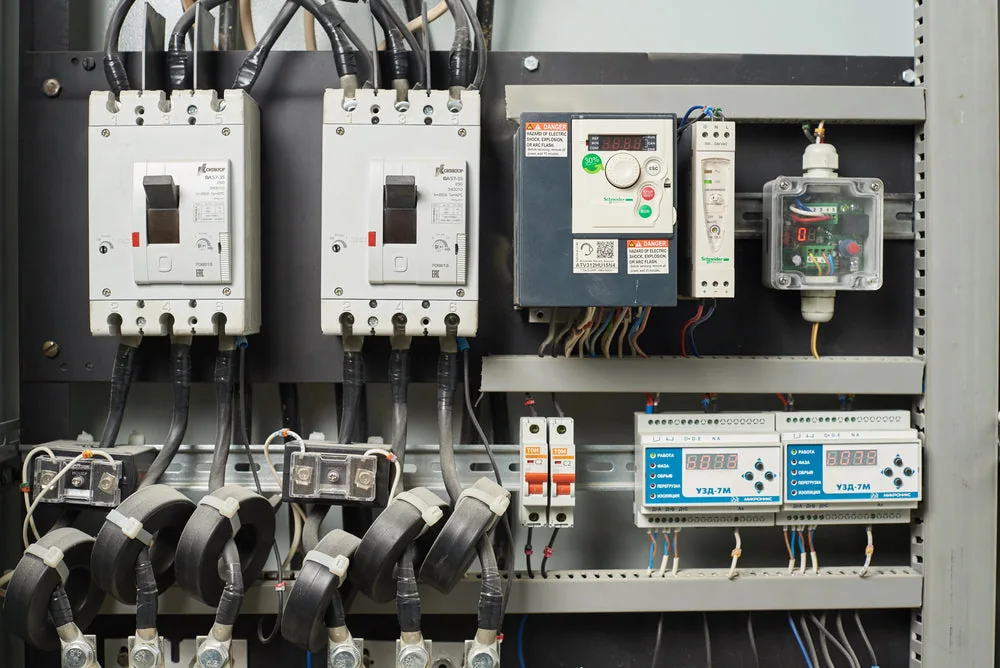
First-party photo of molded-case circuit breakers installed in an electrical panel

Circuit Equipment Lot Guide

Sell Switchgear and Circuit Breaker Lots

Transformer Buyers reviews switchgear and circuit breaker lots nationwide, case by case. Clear ratings, condition notes, lot records, and site-access details help establish whether a lineup, loose breaker group, or spare-parts inventory is suitable for review.

At a glance

01Nationwide opportunity reviews
02Lineups, loose breakers, cells, spares, relays, and controls
03Ratings and catalog data matter more than a brand name alone
04Authorized, de-energized access comes before inspection or removal
01

Direct answer

Who buys circuit breakers and switchgear lots?

Transformer Buyers reviews nationwide opportunities to sell circuit breakers, switchgear, and related electrical inventory case by case. Sellers retiring a facility, upgrading distribution, clearing a warehouse, or disposing of maintenance spares can submit a structured lot. The review distinguishes reusable equipment from incomplete, damaged, obsolete, or unverified material rather than treating all electrical scrap alike.

Separate complete lineups from loose devices. A lineup may contain sections, mains and feeders, bus, cable compartments, metering, relays, controls, and drawout cells. Loose lots may include molded-case, insulated-case, or air breakers; trip units; cradles; shutters; finger clusters; auxiliary contacts; charging motors; and boxed spares. Circuit breakers differ by rating, trip technology, mounting, and accessories [Schneider Electric: Circuit Breakers](https://www.se.com/us/en/product-category/4200-circuit-breakers/).

  • Complete or partial switchgear lineups and individual vertical sections
  • Loose low-voltage, molded-case, insulated-case, and air circuit breakers
  • Drawout cells, cradles, trip units, protective relays, controls, and labeled spares
02

Identify each breaker before you list it

Use the nameplate and catalog label, not enclosure size. For each item record manufacturer, complete catalog/model, serial number if shown, frame, trip rating, poles, AC or DC voltage, interrupting rating such as kAIC or kA, and trip-unit model and visible settings. If a marking is faded, photograph it and write “unreadable”; never substitute a similar part number.

Describe whether the breaker is fixed, plug-in, bolt-on, I-Line, cassette-mounted, or drawout, and identify an included cell or cradle. Report connected, test, disconnected, or withdrawn status only when established under site procedure. Eaton notes that drawout breakers move through test and disconnect positions and may be withdrawn; their cells use bus stabs and finger clusters [Eaton: Low-Voltage Switchgear Fundamentals](https://www.eaton.com/us/en-us/products/low-voltage-power-distribution-control-systems/switchgear-lv/low-voltage-switchgear-fundamentals---eaton.html).

Do not merge different pole counts, frames, voltage ratings, or interrupting ratings into one inventory line. Exact identification shows whether apparent duplicates are actually alike and whether a spare is a complete breaker or only an accessory. For a bundle of identical loose breakers, show the total count and photograph a representative label plus any variations.

03

Build a photo and data package a reviewer can use

Provide front and label views of each lineup, plus safely accessible section labels, rear or cable-side views, and overall condition. For loose equipment, group like catalog numbers but show quantity and variations. Add close-ups of nameplates, breaker faces, trip units, terminals or stabs, mounting hardware, cells, accessories, and damage. Straight-on, well-lit photos with a scale reference reduce avoidable questions.

Use a spreadsheet with manufacturer, catalog/model, frame, trip rating, poles, voltage, interrupting rating, trip unit, mounting or drawout details, quantity, and condition. Mark items installed, loose, boxed, paired, or incomplete. For a lineup add section count, arrangement, dimensions, marked main rating, and device schedule; identify available manuals, one-lines, test records, purchase documents, or packing lists.

Keep condition notes factual: unused in original packaging, removed from service, shelf wear, incomplete, moisture exposure, smoke, corrosion, impact, alteration, or unknown status. Do not call equipment tested, certified, serviceable, or ready to energize without supporting records. An exception list is more useful than a description that overlooks missing components.

  • Nameplate, catalog label, front view, poles, terminals or stabs, and accessories
  • Quantity by exact catalog number, not only a total pallet count
  • Lineup layout, cell numbers, section schedule, dimensions, and supporting documents
04

Keep people safe: authorization and de-energization come first

Never open energized equipment or remove covers, barriers, breakers, relays, or controls to prepare a sale. Work only through the owner’s electrical-safety program and qualified, authorized personnel. NFPA’s electrically safe work condition process includes identifying sources, interrupting load current, lockout/tagout, and verifying absence of voltage with a properly rated instrument [NFPA 70E overview](https://www.nfpa.org/education-and-research/electrical/learn-more-about-nfpa-70e).

Before interior photographs, installed-gear inventory, or removal planning, confirm who controls and authorizes access and what written procedures apply. OSHA requires procedures for hazardous-energy control in covered servicing and maintenance; an authorized employee performs the lockout or tagout [OSHA 29 CFR 1910.147](https://www.osha.gov/laws-regs/regulations/standardnumber/1910/1910.147). Supply ownership, release status, access restrictions, and visible safety labels; do not operate, rack, defeat interlocks, or test equipment to improve a listing.

This guidance does not replace the facility safety plan, the authority having jurisdiction, or a qualified electrical professional. A seller can begin with exterior labels, drawings, schedules, and records while responsible site personnel decide whether any approved access is appropriate.

05

Document the lot, including cells, relays, controls, and gaps

Create a section schedule: lineup designation, section type, breaker or cell position, catalog number, rating, trip unit, relay and control components, and condition. Pair a drawout breaker with a cradle or cell only when labels or records confirm the association. List loose trip units, secondary disconnects, shutters, key interlocks, control plugs, meters, and relay panels separately when compatibility is uncertain.

Attach available purchase records, maintenance files, decommission date, OEM manuals, one-lines, protective settings, and pre-removal photos. Report missing doors, cut conductors, removed bus, water, soot, corrosion, or handling damage. Photograph relay and control terminal markings; do not disturb installed wiring merely to inventory it. Clearly separate owner-retained infrastructure from items released for disposition.

06

Plan access and freight without making unsafe assumptions

After release and safe preparation by responsible parties, provide city and state, floor, indoor or outdoor location, dock or grade access, door and corridor dimensions, travel path, stairs or elevators, overhead restrictions, staging area, rigging, palletization, documented dimensions or weights, and permitted hours. Route photos matter for a lineup or cabinet.

Do not infer weight from amperage. Use OEM documents, nameplates, facility records, or a qualified rigger’s assessment, and flag upright, weather, or unit-handling needs. Disclose inductions, security, owner rules, shutdown windows, hazardous-area limits, and insurance requirements. Transformer Buyers evaluates nationwide opportunities individually; access details support review, not a pickup, price, removal, or timing commitment.

Never open energized equipment or remove electrical equipment solely for an inquiry. Use qualified personnel, lockout/tagout procedures and applicable site rules.

Straight answers

Questions sellers ask.

These answers are intentionally specific and conditional. Final terms depend on the equipment and written agreement.

Will you review a mixed lot of breakers, cells, relays, and controls?

Yes. List categories and exact catalog numbers separately. Do not blend complete breakers, incomplete devices, cells or cradles, trip units, relays, and controls into one quantity. State what is paired, loose, or missing.

What if I only have the manufacturer and a blurry nameplate?

Send the clearest close-up, overall photos, dimensions, pole count, mounting style, and labels on the trip unit or cell. Mark the nameplate unreadable rather than guessing. Better identification separates similar equipment with different ratings.

Should I remove breakers from an installed switchgear lineup before requesting a review?

No. Do not remove or access installed components to prepare a submission. Confirm ownership, release, facility authorization, and electrical-safety procedures first. Exterior labels, schedules, and documents can begin the review while responsible personnel determine approved work.

What condition information should I disclose for surplus switchgear?

Report storage, known service history, packaging, missing parts, moisture, corrosion, smoke, overheating, impact, alterations, and unknown status. Separate fact from inference, and identify shareable test or maintenance records.

Can I submit a lineup that is still in service?

Yes, with nonintrusive schedules, exterior photos allowed by site rules, manufacturer data, and decommissioning context. Do not open, operate, rack, test, or photograph interior live parts. Owner-authorized, qualified personnel control inspection and removal planning.

What freight details matter for circuit breaker and switchgear lots?

Provide location, loading level, route constraints, door sizes, dock or grade access, staging room, site rules, documented dimensions or weights, and palletized or assembled status. For lineups, include section count and order. Logistics remain subject to case-specific review and approval.

Keep exploring

Every guide connects to the main selling process and the next most relevant topic—no dead ends or orphan pages.

Nationwide electrical-equipment seller hub

Circuit Breaker Buyers

Selling circuit breakers starts with clear identification, safe site status, and honest condition details. Transformer Buyers reviews nationwide breaker, switchgear, and surplus-lot opportunities case by case to help sellers understand possible resale, refurbishment, or recovery paths.

Circuit Equipment

Sell Molded-Case Circuit Breakers

Transformer Buyers reviews surplus molded-case circuit breaker opportunities nationwide, case by case. Clear labels, honest condition notes, and practical removal details help determine whether an MCCB lot is suitable for resale or recovery review.

Circuit Equipment Guide

Sell Air Circuit Breakers

Air circuit breakers can be viable surplus when their nameplate, trip unit, mounting arrangement, and condition are clearly documented. Send safely obtained details so Transformer Buyers can review a nationwide opportunity case by case.

Circuit Equipment Guide

Sell Vacuum Circuit Breakers

Transformer Buyers reviews surplus vacuum circuit breakers from facilities across the United States on a case-by-case basis. Send clear nameplate photos, configuration details, condition notes, and site-access information so the equipment can be evaluated accurately without interrupting safe plant operations.

Nationwide circuit breaker selling

Circuit Breaker Buyer Service Areas

Transformer Buyers reviews used and surplus circuit breaker opportunities nationwide, including the 50 city service areas below. Share accurate equipment details, safe-access information, and lot records so each opportunity can be evaluated case by case.

Request a transformer review

Contact Transformer Buyers

Call or text (951) 733-6603, or email electricalsurplusbuyers@gmail.com. For the most useful first review, include the items below and keep the original photos clear and uncropped.

Have circuit breakers to sell?

One clear catalog-label photo can move the conversation forward.