Sell Circuit Breakers in Tampa, FL | Equipment Buyers
Transformer Buyers reviews surplus, used, and removed circuit breakers from Tampa, Florida, and throughout the United States on a case-by-case basis. Send clear identification, condition, quantity, ownership, and safe-release details so the equipment can be assessed before removal or freight is discussed.
01Scope: nationwide opportunities reviewed case by case.
02Key data: nameplate, ratings, configuration, quantity, and condition.
03Safety: authorized de-energization comes before access or removal.
04Logistics: access, loading, and release constraints affect planning.
01
Direct answer
Who buys circuit breakers in Tampa, FL?
Transformer Buyers buys and reviews circuit breaker opportunities from Tampa-area facility owners, electrical contractors, property managers, distributors, and industrial sellers. Nationwide opportunities are reviewed case by case. Useful inquiries identify the equipment, condition, completeness, release authority, and safe-access facts.
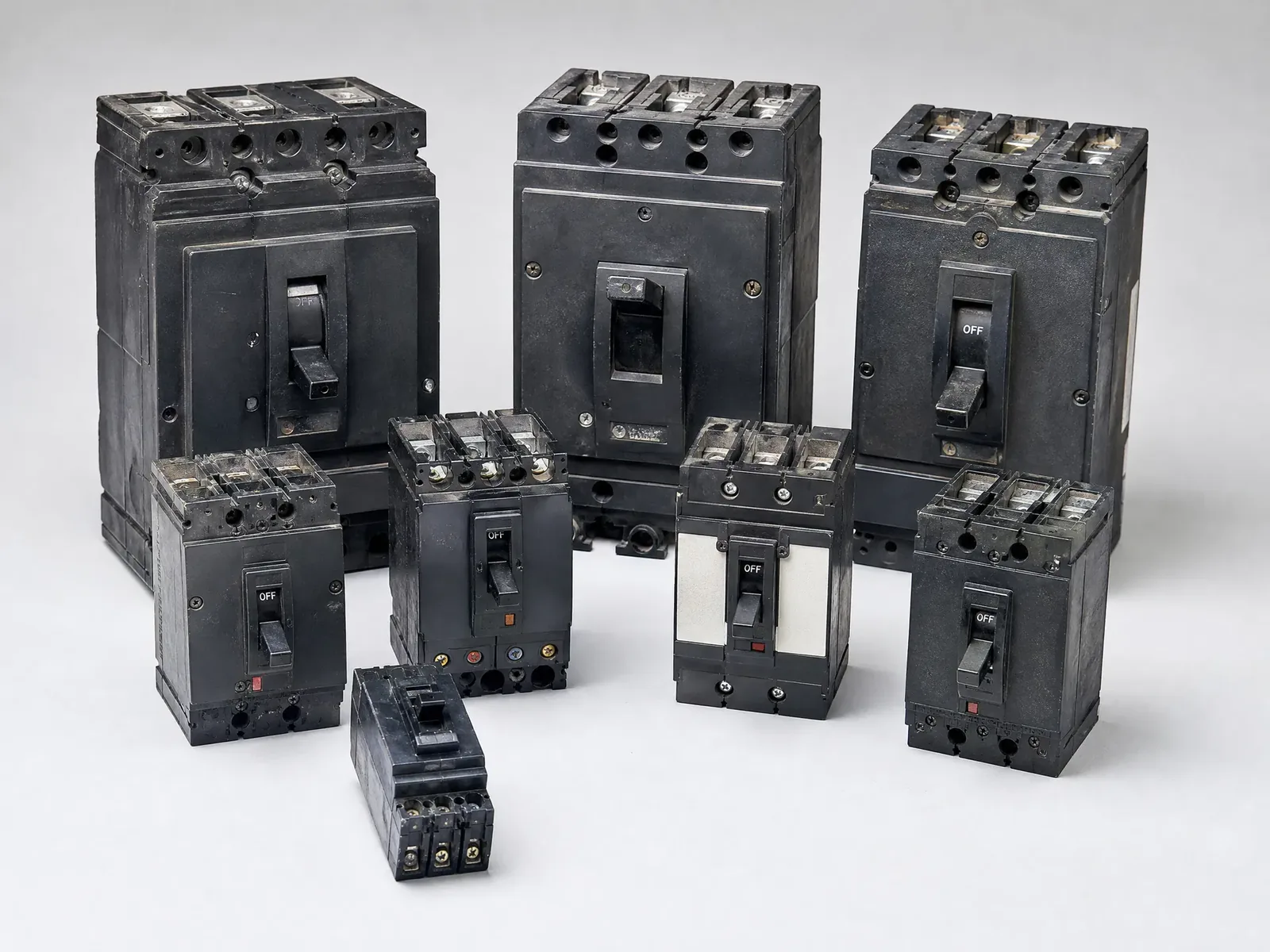
Material worth describing can include surplus molded-case, insulated-case, and low-voltage power breakers; drawout air breakers; feeder and main breakers; new old stock; maintenance spares; and documented take-outs from upgrades. Brand, vintage, ratings, accessories, application, and damage affect the review. A mixed cabinet, a breaker still installed, or loose trip units may be considered, but do not combine unlike material or assume that every piece has the same resale route.
02
Tampa facility context: freight, care, hospitality, digital infrastructure, and development
Tampa sellers may be releasing equipment from complex operating environments. Port Tampa Bay calls itself Florida's largest and most diverse port, serving container, energy, cruise, ship-repair, warehousing, and distribution activity along the I-4 Corridor. For port-adjacent warehouses, cold storage, ship-repair support, or logistics buildings, describe the actual dock, gate, appointment, traffic, and security conditions; do not infer access from an address.
Healthcare, hospitality, data-center, and construction sites need precise release information. Tampa General Hospital reports a 982-bed main campus on Davis Islands, while the City of Tampa describes hospitality and tourism as a growing industry. The Tampa Bay Regional Planning Council notes existing small and medium data centers and ongoing planning around larger facilities. The City of Tampa also reports capital projects covering streets, water, wastewater, and public buildings. These are complex facility examples, not a claim that equipment is available from a particular site; active operations come first.
03
Identify the breaker from labels, photos, and configuration
Begin with sharp, readable photographs of the front, nameplate, catalog or model marking, both sides, rear connection area when safely accessible, and every visible accessory. Take one wider photo that shows the breaker, enclosure, or pallet in context, then close-ups that can be read. A panel schedule, a typed amp value, or an assumed brand is not a substitute for the marking on the device. If a label is worn or hidden, state that plainly; do not guess or open energized equipment to improve a photo.
For a storeroom, switchboard upgrade, or multi-pallet lot, assign an item number and group only genuinely identical units. Keep complete breakers separate from loose trip units, cradles, shutters, mounting hardware, and damaged parts. A numbered photo sheet or inventory spreadsheet helps match quantities to configurations and prevents a review from relying on broad descriptions such as ‘400-amp breakers.’
Manufacturer and catalog or model number, plus serial number or date code when visible.
Frame size and trip rating; for an electronic breaker, trip-unit model, rating plug, and visible settings.
Pole count, voltage rating, interrupting rating, and AC or DC application when marked.
Fixed, plug-in, bolt-on, panelboard, drawout, or other mounting details; include cell or cradle details for drawout units.
Quantity, condition, known service or storage history, completeness, and whether units are installed, loose, boxed, or palletized.
04
Keep electrical access and authorization ahead of resale review
Never open energized electrical equipment to inspect a hidden label, photograph a breaker, or prepare material for sale. Electrical isolation, testing, racking, and removal must be handled by personnel qualified and authorized under the site's procedures. OSHA requires authorized employees to apply energy-control devices and verify isolation and de-energization before covered work begins. NFPA explains that electrical safety practices address shock, arc-flash, and arc-blast hazards. This page is not a substitute for the owner's electrical-safety program, a job hazard analysis, or applicable rules.
Before a lot is released, the asset owner or authorized representative should verify that it is surplus and eligible to leave the premises. Record the release contact, de-energization status, clearance or lockout/tagout process when applicable, and any restrictions on photos, data, access, or equipment movement. Do not disconnect conductors, defeat interlocks, force a racking mechanism, or bypass facility controls. Condition notes should separate ordinary dust from corrosion, water exposure, heat marks, cracked cases, missing covers, altered labels, or visible mechanical damage.
05
Document ownership, condition, and the breaker lot
A compact lot file helps review and protects the seller's record. Include item numbers, quantities, location, photos, nameplate information, configuration, condition, and a note matching accessories to each breaker. When available and appropriate to share, add invoices, purchase, maintenance, test, commissioning, decommissioning, or warehouse records. Records support identification and provenance; they do not certify present electrical performance.
For material from a tenant turnover, hotel renovation, medical-facility project, data-room refresh, warehouse consolidation, or public construction job, explain the chain of custody. State whether the equipment is owned outright, requires landlord or owner approval, is contractor-held surplus, is leased, or is awaiting closeout. Note any confidentiality or controlled-site limits before sending information. Transparent unknowns help more than polished assumptions, particularly where a breaker was removed years ago or its operational history cannot be verified.
06
Plan Tampa freight and site access from the real conditions
Freight and removal planning begin only after the equipment, ownership, and release conditions are understood. Share the site address or general area, building and floor, dock or yard availability, gate and appointment rules, floor condition, aisle widths, stairs or elevator limits, pallet condition, estimated weight when known, and the loading equipment actually available. A carton of molded-case breakers, a drawout power breaker, and an installed lineup require different handling. Do not estimate rigging or lifting needs from a catalog image alone.
Port, hospital, hotel, data-center, and active-development sites may impose badging, escort, patient or guest protection, delivery windows, traffic controls, service-elevator rules, or work-hour limits. Tell the reviewer about these constraints and any owner-directed packaging, segregation, disposal, or export-control requirements. Transformer Buyers evaluates the equipment and practical circumstances of each nationwide opportunity case by case. An initial review does not establish removal, freight, transaction, or timing terms; those require separate confirmation after authorization and access facts are clear.
Never open energized equipment or remove electrical equipment solely for an inquiry. Use qualified personnel, lockout/tagout procedures and applicable site rules.
Straight answers
Questions sellers ask.
These answers are intentionally specific and conditional. Final terms depend on the equipment and written agreement.
Can I sell breakers removed from a Tampa warehouse or distribution upgrade?+
Potentially. Send clear photos, nameplate information, quantities, condition notes, and documentation showing that the owner or authorized party may release the equipment. Identify whether the breakers are loose, palletized, stored, or still installed.
Which circuit breaker details should I send first?+
Start with the manufacturer, catalog or model number, frame, trip rating, pole count, voltage, interrupting rating, trip-unit information, mounting or drawout details, quantity, and condition. Label photographs are more useful than an unverified typed description.
Can I photograph a breaker while it is still in an energized panel?+
Do not open energized equipment or take actions that expose you to electrical hazards. Use only safe, authorized access, and have qualified personnel follow the facility's electrical-safety and energy-control procedures.
What records help with a hospital, hotel, or controlled-site breaker lot?+
Confirm ownership and release authority, then provide an inventory, photos, condition notes, approved contact, applicable access restrictions, appointment or badging requirements, and the available loading arrangement. Do not disclose information you are not authorized to share.
Do you review a single breaker as well as a larger Tampa lot?+
Transformer Buyers reviews nationwide opportunities case by case. Submit the actual quantity and configuration rather than combining unlike breakers into one count. Equipment identity, condition, completeness, documentation, and practical release details guide the next discussion.
Does submitting a breaker list schedule freight or removal?+
No. A submission supports an initial equipment review. Any handling, removal, freight, transaction, or timing terms require separate confirmation after the equipment details, ownership authorization, and site-access conditions are understood.