01
Direct answer
What affects your switchgear purchase offer?
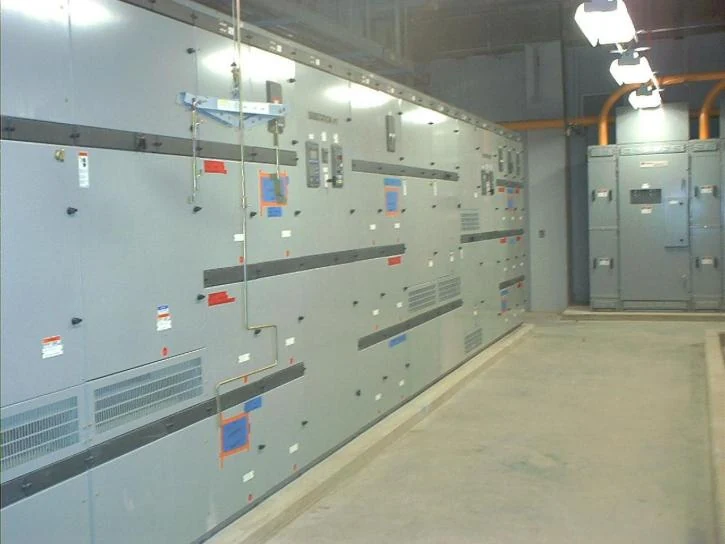
The main considerations are assembly identity, electrical ratings, configuration, included components, known condition, potential demand and the costs associated with the proposed transaction. We Buy New and Used Electrical Switchgear, but acceptance of any particular assembly is reviewed case by case. A recognizable manufacturer name or a large lineup does not, by itself, establish an offer.
Begin with a factual description rather than an estimated price per section or pound. Original purchase cost, replacement cost and a buyer's offer are different figures. Without reviewing the actual equipment and sale conditions, a universal switchgear price range would conceal important differences instead of helping you evaluate a proposal.
02
Ratings establish what equipment is being considered
Provide the assembly's stated voltage, continuous current and fault-related ratings from existing exterior labels or records. Keep the label wording and units together. Eaton distinguishes an assembly's short-circuit withstand and short-time withstand ratings from the interrupting rating of an overcurrent protective device at a specified voltage. A bus withstand value is not automatically a breaker interrupting rating. [1]
This distinction matters when describing the sale: an impressive number copied from one breaker may not identify the complete assembly's rating. State whether each value came from the assembly nameplate, a breaker label or a drawing. If information conflicts, disclose both records rather than choosing the larger number. Higher ratings alone do not promise a higher purchase offer; they still need to fit a potential application.
03
Configuration can change the purchasing assessment
Two assemblies with the same voltage and manufacturer can have different main, tie and feeder arrangements, enclosure designs or control systems. Explain the arrangement shown on the existing one-line diagram, which summarizes electrical connections. Identify indoor or outdoor construction and any documented special configuration. Switchgear and switchboards are not universal synonyms; use the assembly's recorded product designation. [1]
For example, Siemens identifies conventional GM-SG and arc-resistant GM-SG-AR as distinct metal-clad configurations within its family, using GMSG vacuum circuit breakers. That distinction is more useful than describing both merely as Siemens cabinets. These names are identification references, not guaranteed purchases, available inventory, an OEM relationship or a parts-interchangeability claim. Copy the exact designation in your inquiry rather than inferring arc-resistant construction from appearance. [2]
04
Completeness means more than counting cabinets
Describe what will actually transfer with the assembly. A lineup may include breaker sections, controls, metering and auxiliary equipment, but the original drawings do not prove all of those items remain present. Siemens' guide distinguishes breaker cells from auxiliary cells used for voltage transformers, control power transformers or other devices. An empty location is therefore not necessarily a missing breaker; compare it with available records. [2]
Identify known omissions and anything the owner plans to retain. Distinguish factory spare positions from components removed during service. Missing controls or mating components can introduce uncertainty about the proposed sale's scope. Do not substitute another breaker or describe components as compatible merely because they share a brand. Provide their existing identifiers so the assembly can be assessed as presented.
05
Condition must be described with evidence
Explain whether the gear is unused, previously operated, retired or of unknown service status. New appearance does not establish unused condition, and unused status does not establish how an assembly was stored. Include known storage exposure, damage, modifications and the reason it became surplus. Separate an observation such as exterior corrosion from an unsupported conclusion that the entire assembly is unusable.
Existing maintenance records or inspection reports can help explain reported condition, but their dates and scope matter. A report for one breaker is not evidence about every section. Disclose known fault events or water exposure without attempting additional inspection yourself. Use existing exterior labels and records; qualified personnel handle access-dependent inspection, isolation and removal under appropriate safety procedures. OSHA's electrical work-practice requirements are not replaced by calling equipment retired. [3]
06
Demand and documentation are separate value factors
A purchasing decision also considers whether the particular configuration has a plausible next use. A recognizable series name helps identify gear but does not establish current demand for that assembly. A specialized arrangement may require a particular application, while incomplete information can leave its suitability unresolved. Do not assume newer, older, larger or more elaborate equipment always receives the stronger offer.
Documentation reduces identification uncertainty. Offer available nameplate records, drawing numbers, one-line diagrams, section schedules and dated service reports. State whether drawings reflect later modifications. Clear records allow a buyer to distinguish the original design from the equipment now offered. They do not guarantee acceptance or certify present operating condition. If records are missing, say so; a candid partial description is more useful than treating a catalog illustration as proof of your assembly's exact specifications.
07
Removal costs can affect the proposed sale
An installed assembly and a disconnected assembly offered at a loading area present different transaction conditions. Describe location, installed status and the owner's known removal plan. Share existing dimensions or shipping-weight records where available, identifying whether they describe the whole lineup or individual shipping sections. Unknown access or handling requirements should remain identified as unknowns, not assumptions of easy removal.
Discuss who would be responsible for electrical work, removal, packaging, loading and freight before comparing offers. These costs may affect the overall proposal even when the gear itself is similar. This is not a promise of free removal or pickup. Qualified personnel handle isolation and removal, and responsibilities and costs must be agreed for the particular transaction.
08
Clarify offer conditions before making a comparison
Ask whether a proposal is preliminary or depends on further identification, confirmation of included items or inspection. Compare the equipment covered and each party's stated responsibilities, not only the headline amount. An offer for the documented complete assembly is not directly comparable to a proposal covering fewer components or leaving substantial seller costs outside the figure.
To start an inquiry, send a concise description and safely obtained existing pictures by text to (951) 733-6603 or email electricalsurplusbuyers@gmail.com. Include the location, manufacturer and assembly identifiers, stated ratings, known condition, included scope and availability information. Mark uncertain details clearly. Purchase acceptance, payment arrangements and transaction responsibilities are determined case by case; submitting information does not create an agreed purchase.