01
Direct answer
Find a buyer for your switchgear assembly
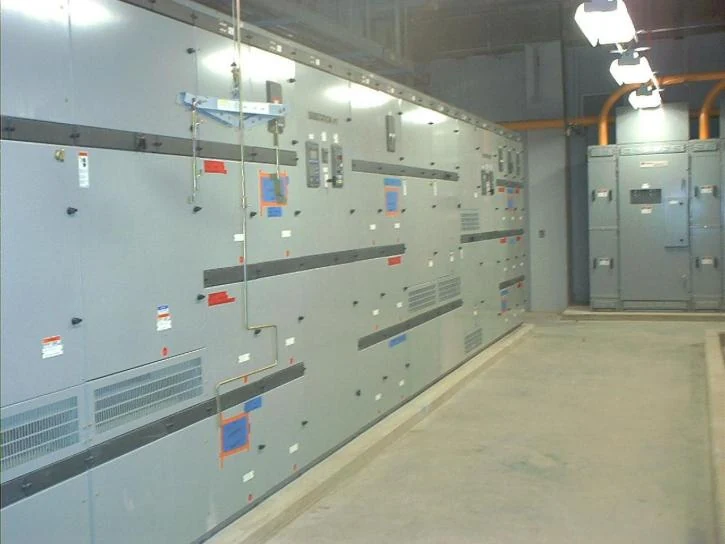
We buy new and used electrical switchgear. Send details of the assembly you own or are authorized to sell so its purchase potential can be reviewed. New project surplus and used equipment are both within the inquiry scope, but no condition, manufacturer or model automatically qualifies for purchase.
Describe what is available rather than assuming the word switchgear answers every question. Is it one cabinet, several connected sections or an assembly already separated for storage? Is the offer for the equipment alone or subject to a future retirement schedule? These basic distinctions help establish the scope before discussing an offer or transaction arrangements.
02
Identify the assembly, not just an individual breaker
A switchgear inquiry should describe the assembly that houses and connects its switching and protective equipment. A breaker label identifies that component; it does not necessarily identify the surrounding assembly. Supply the assembly nameplate or original equipment records when available, and label separate component information accordingly.
Switchgear and switchboards are not universal synonyms. Use the equipment designation shown in manufacturer records rather than reclassifying a cabinet by its appearance. If the records say switchboard, panelboard or another equipment type, report that wording. Likewise, say when your offer concerns only detached breakers or unrelated equipment, rather than presenting it as a matched switchgear assembly.
03
Use manufacturer and family names as identification references
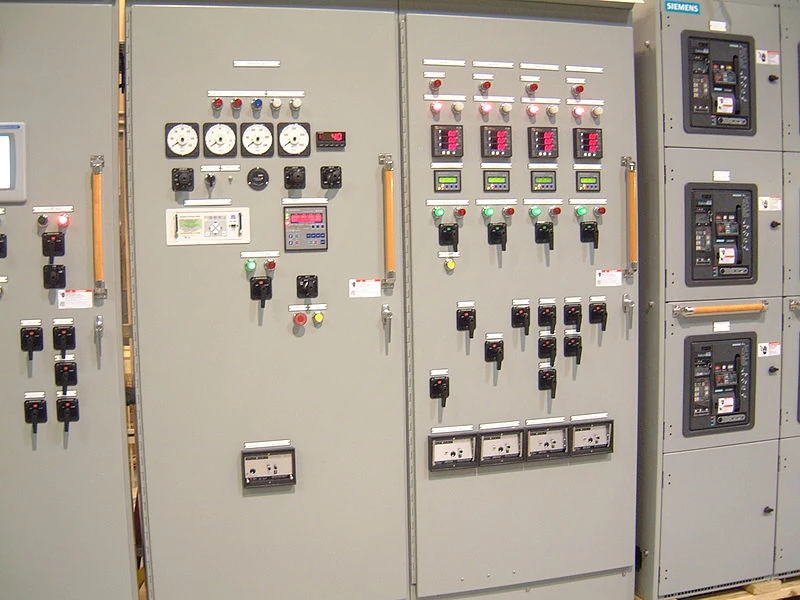
The maker's name and the assembly family help explain what you are offering. Eaton identifies Magnum DS as metal-enclosed low-voltage switchgear using draw-out power circuit breakers. Schneider Electric identifies Masterclad as air-insulated medium-voltage metal-clad switchgear with vacuum circuit breakers, including Type VR. These are different assembly descriptions, not interchangeable names for any electrical cabinet. [1] [2]
These examples are identification references only, not a guaranteed purchase list, available inventory, an OEM relationship or a parts-interchangeability claim. Copy the family name from your own records, including legacy wording if present. A general metal-enclosed description alone does not establish the more specific metal-clad classification; retain the manufacturer's actual designation.
04
Keep assembly ratings separate from component ratings
Share the voltage and current ratings exactly as recorded, with their units. Keep the assembly rating distinct from ratings on a main breaker or feeder breaker. If documentation identifies a bus withstand rating and a breaker interrupting rating, describe each under its own label instead of treating them as the same number.
Eaton's Magnum DS documentation lists main-bus current and withstand information separately from breaker data. That separation is useful when organizing a seller inquiry. Do not assign your equipment a manufacturer's published family maximum: the particular assembly's records matter. If a label is unclear or unavailable, mark that detail as unknown rather than estimating from a similar-looking product. [1]
05
Describe availability and known condition plainly
State whether the gear is unused, previously operated, installed or held in storage. Explain what you actually know about its condition and what remains uncertain. Unused does not by itself describe storage conditions, and previously operated does not establish present operating condition. Existing maintenance or inspection records can supply context without requiring new tests for an initial inquiry.
Disclose known damage, exposure, missing equipment or changes to the original configuration. State whether the offered sections and listed components are included. If completeness has not been verified, say so. Older, damaged or incomplete gear requires individual review; sending photographs or identifying a recognizable brand does not mean the assembly will be accepted.
06
Prepare information without electrical access
Use existing exterior labels, safely available closed-cabinet photographs and records already held by the owner. An overall exterior view helps connect individual nameplates to the equipment being offered. Drawings, equipment schedules and original paperwork can fill gaps when a label cannot be photographed safely. Distinguish an original drawing from a later record if the assembly has changed.
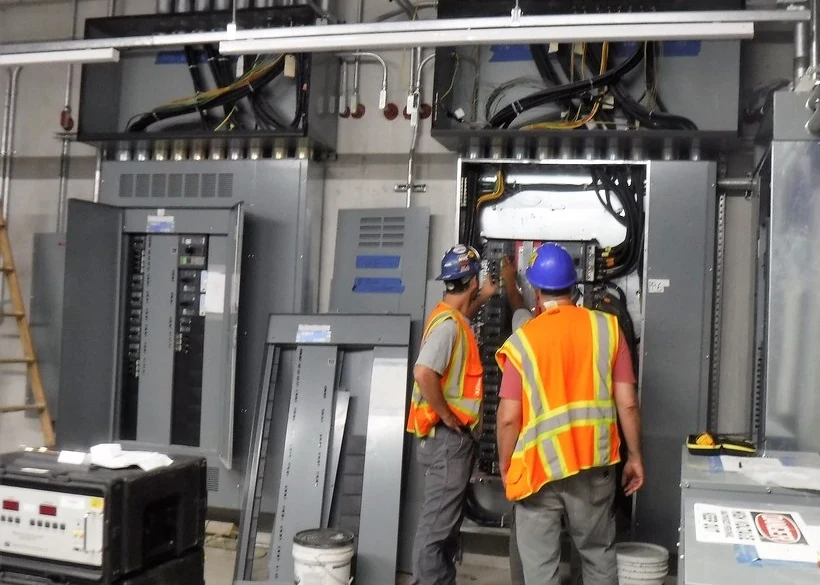
Do not access electrical compartments, remove covers, rack breakers, isolate circuits or perform tests to prepare a purchase inquiry. Qualified personnel handle isolation, inspections requiring electrical access and removal under applicable site procedures. OSHA's electrical work-practice rules make clear that a presumed deenergized condition is not enough to establish safe access. [3]
07
Clarify ownership, location and the proposed sale
Include your name, contact details and authority to offer the equipment. Provide its city and state, whether it remains installed, and any owner-confirmed availability date. If approval from another owner or project party is required, disclose that before presenting the assembly as ready for sale.
Keep the offer's boundaries clear. Say which assembly is included, whether accompanying records are available and whether any components are excluded. Mention known site restrictions that could affect a proposed transaction, without arranging removal simply to submit details. Purchase terms, responsibilities and any logistics would need to be agreed for the particular opportunity; this page is not a removal or pickup commitment.
08
Send your switchgear buying inquiry
Call or text (951) 733-6603, or email electricalsurplusbuyers@gmail.com with the available information and photographs. Identify the submission as a switchgear assembly inquiry. A useful opening message states the manufacturer, assembly designation, recorded ratings, approximate number of sections, known condition and location. Include what is uncertain so the review does not rely on assumptions.
An inquiry begins a case-by-case purchasing discussion, not a guaranteed offer. Additional information or inspection may be needed before acceptance and terms can be established. Do not assume a price, payment method, payment deadline, pickup date or removal responsibility from the initial contact. Those details belong in the agreement for an accepted transaction.