01
Direct answer
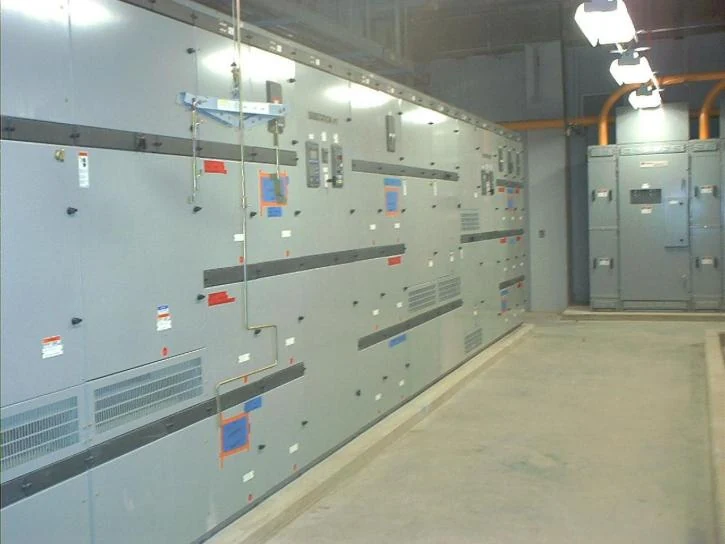
We Buy New and Used Electrical Switchgear
We review Square D and Schneider Electric switchgear purchasing inquiries for new surplus and used assemblies. Acceptance depends on the actual equipment, configuration, condition, completeness and location. A recognizable brand does not establish that every unit qualifies, and an inquiry is not a purchase commitment.
Describe the assembly you own and whether it is unused, retired, stored or still installed. Include the manufacturer wording exactly as it appears in accessible records. The family names below are identification references, not a guaranteed purchase list, stock inventory, OEM relationship or statement that parts interchange.
02
Identify the Assembly Before Listing Its Breakers
A Square D logo or Schneider Electric label on a circuit breaker identifies that component, not necessarily the cabinet around it. Begin with an existing exterior assembly nameplate or the original equipment schedule. Then describe the breaker information separately, using photographs or records already available.
Schneider lists switchboards and switchgear together in its product directory but names them as different products. Its QED-2 I-Line components are specifically identified as switchboard components. Consequently, I-Line wording alone is not enough to call an assembly switchgear. If the assembly type is uncertain, report the wording without changing it and include an overall exterior photograph. [1]
03
Power-Zone 4: Low-Voltage Drawout Switchgear
Schneider's Power-Zone 4 catalog identifies this family as low-voltage, metal-enclosed, drawout switchgear with MasterPacT NW and NT low-voltage power circuit breakers. Those breaker names are useful supporting identifiers, but a breaker label alone does not prove that the surrounding assembly is Power-Zone 4. Supply the assembly designation and its matching paperwork when available. [2]
The manufacturer separately lists Power-Zone 4 Front Accessible and Power-Zone 4 Arc Resistant configurations. Keep those descriptors in your inquiry when documented; they distinguish the assembly more precisely than the family name alone. Do not describe ordinary enclosed gear as arc resistant without supporting records. Include existing layout drawings so the buyer can understand the particular section arrangement rather than assuming every Power-Zone 4 assembly is identical. [1]
04
Masterclad: Medium-Voltage Gear with VR Breakers
Masterclad is Schneider's air-insulated, medium-voltage metal-clad drawout switchgear family using Type VR vacuum circuit breakers. Its product page describes indoor and outdoor options and one- or two-high breaker arrangements. These distinctions make the exact enclosure and section layout useful information in a sale inquiry. Masterclad should not be described as the same equipment class as low-voltage Power-Zone 4. [3]
Use the voltage and current ratings from the actual assembly's existing labels or drawings, not the highest rating advertised for the product family. If records identify an arc-resistant structure, include that designation. Neither a steel enclosure nor a family resemblance establishes a particular construction classification or rating.
05
Keep QED Switchboards and NF/NQ Panelboards Separate
Schneider identifies QED-2 and QED-6 as switchboards; it describes QED-6 as a rear-connected electrical switchboard. Its directory also identifies NF and NQ column-width products as panelboards. These are useful examples when sorting Square D equipment descriptions, not alternative names for switchgear. Submit the exact product name rather than relabeling QED equipment to match a switchgear buying page. [1]
If your available material is a panelboard, a switchboard or loose breakers rather than a switchgear assembly, say so at the beginning of the inquiry. Keep it separate from any Power-Zone 4 or Masterclad assembly you are describing. That prevents a component photograph or unrelated cabinet from being mistaken for the equipment under review. Any interest in other equipment requires separate confirmation.
06
Match Ratings and Documents to the Correct Gear
Useful records include the assembly catalog or identification number, serial number, order number, drawing number and drawing revision, where available. Provide the labeled voltage and bus current rating with their units. Identify whether each photograph shows an assembly plate, a breaker plate or another component; do not combine their ratings into one unsupported specification.
A bus withstand rating is not automatically a breaker interrupting rating. Preserve the rating's original description instead of sending an unexplained kA number. For a documented Power-Zone 4 assembly, note the recorded MasterPacT designation. For Masterclad, note the recorded VR breaker identification. Explain any mismatch between the original drawing and later modification records rather than assuming the original configuration remains unchanged.
07
Describe Condition and What Remains with the Assembly
State whether the gear was ever commissioned, when it was retired if known, and where it has been stored. Describe known moisture exposure, corrosion, damage or undocumented alterations candidly. Unused equipment should not be described as tested or ready for service merely because it was never installed. Existing maintenance or inspection records can document what was previously reported without creating a new condition claim.
Use the equipment schedule to explain which sections and associated breakers remain with the assembly. Identify missing items or uncertainties from your records, including absent controls, meters or relays where documented. An incomplete assembly can be submitted for review, but neither completeness nor brand recognition guarantees acceptance. Avoid adding spare breakers to the assembly description unless their relationship is documented.
08
Send a Clear, Safe Purchasing Inquiry
Text available photographs to (951) 733-6603 or email electricalsurplusbuyers@gmail.com. Include your contact information, equipment location, authority to sell, exact family designation and known condition. Attach an overall exterior view, safely accessible exterior labels and relevant drawings or equipment schedules. If installed, state that status and the planned availability date without representing it as ready for transport.
Use existing records when a label cannot be read safely. Do not open compartments, remove covers, operate or rack breakers, or perform tests to prepare an inquiry. Qualified personnel handle electrical isolation, inspection requiring access and removal under the site's safety procedures. OSHA's electrical work-practice requirements underscore that equipment cannot be assumed safe merely because someone reports it deenergized. Purchasing, removal and transportation terms require case-by-case agreement. [4]