01
Direct answer
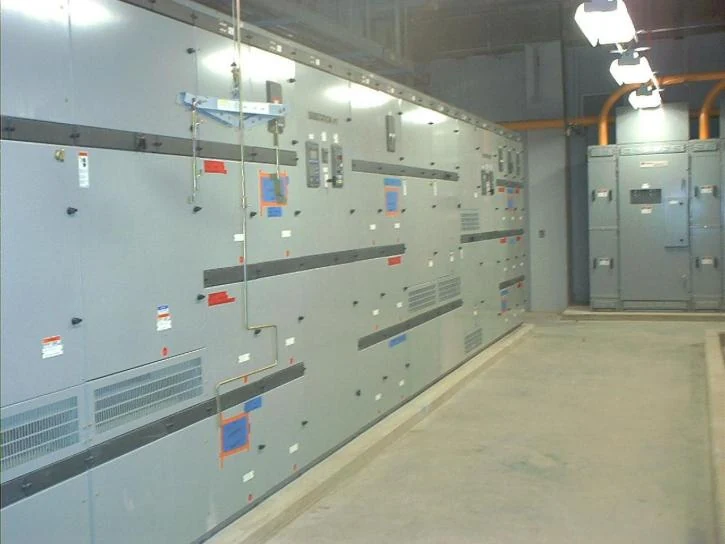
We Buy New and Used Electrical Switchgear
Obsolete and retired switchgear may have purchase potential, but acceptance of any particular assembly is reviewed case by case. A recognizable family name or an older manufacturing date is not enough to establish an offer. Identification, configuration, documented condition and the scope actually available for sale all matter.
Start with what you know: the manufacturer shown on the assembly, its recorded ratings, why it was retired and where it is now. Nationwide opportunities can be submitted for review. Do not describe unknown condition as working condition, and do not assume that a discontinued product is automatically unwanted or that every legacy assembly will be purchased.
02
Explain what obsolete or retired means for your assembly
Retired describes your equipment's service status. It might have been replaced during a capacity upgrade, a facility closure or a change in the site's distribution system. Obsolete or discontinued describes a product or component's manufacturing status. These are different facts, so explain both when they are known.
Eaton identifies DS and DSII low-voltage switchgear as legacy offerings and maintains a dedicated support page with replacement-breaker information and historical documents. That is a useful reminder that legacy status does not by itself describe an assembly's condition. If your obsolete designation comes from a supplier notice, attach that notice and identify whether it concerns the entire assembly, a breaker or another component. [1]
03
Preserve the original identity and any later changes
Copy the manufacturer, series, serial number and order or job number from existing exterior labels or previously recorded nameplate images. Keep the assembly identification separate from breaker and relay descriptions. An old drawing may identify the original lineup even when later components carry different labels.
For example, Eaton's DS and DSII references identify legacy low-voltage gear, while Schneider Electric describes Masterclad as medium-voltage metal-clad switchgear using drawout Type VR vacuum circuit breakers. Masterclad is not being presented here as a discontinued family; an owner can retire equipment from a currently marketed family. These examples are identification references, not guaranteed purchases, available inventory, an OEM relationship or a claim of parts interchangeability. [1] [2]
04
Describe the retirement reason and service timeline
Give the approximate installation date if supported by records, the last known service date and the reason for retirement. Distinguish replacement for business reasons from removal following a fault or recurring maintenance problem. If you inherited the gear with a building, say that its earlier operating history is unknown rather than estimating decades of reliable service.
Existing maintenance reports, repair invoices and dated inspection or test reports can help explain the history. Identify which sections or breakers those records cover. A report from several years ago documents the findings at that time; it does not establish present readiness for operation. Include unresolved recommendations, known failures and modifications instead of supplying only favorable pages.
05
Separate original configuration from modernization
An older enclosure may contain updated breakers, protection or controls. If records show a retrofit, provide its date, equipment descriptions and the contractor or manufacturer paperwork already available. Send the original drawings and revised drawings together, clearly noting which represents the assembly being offered.
Eaton's Magnum DS design guide describes aftermarket options intended to extend the life of older switchgear whose breakers are obsolete while the assemblies may still have usable life. This does not establish that your gear qualifies for modernization or sale. A replacement breaker designation alone does not prove a match to a particular cell. Documented changes help avoid evaluating an original design as though it were still unchanged. [4]
06
Report what has happened since retirement
State whether the assembly remains installed, was removed intact or has been separated into identified sections. Explain its storage location and how long it has been out of service. Previous service condition and current storage condition are separate parts of the description; a clean exterior photograph cannot establish the condition of unseen components.
Disclose known water exposure, corrosion, fire involvement or physical damage without attempting to diagnose its consequences. Note components removed after retirement and whether records still identify them. Material deterioration, uncertain identity, missing essential equipment or undocumented alterations may limit purchase potential or prevent an offer. There is no blanket commitment to purchase older gear regardless of condition.
07
Build a review packet from safe, existing information
Use accessible exterior photographs and existing files to show the assembly's identity and present appearance. Include a dated overall view when safely available, previously recorded nameplates, the section schedule and any relevant service reports. Label historical photographs as historical so they are not mistaken for evidence of today's configuration.
Do not open compartments, remove covers, operate mechanisms or perform tests to strengthen an inquiry. Retired, switched off and electrically safe are not equivalent descriptions. OSHA assigns verification of a deenergized condition to qualified persons. Any inspection requiring access, electrical isolation or removal belongs with qualified personnel under the site's procedures. If the needed identity is inaccessible, explain that limitation and submit the records you already have. [3]
08
Send a specific inquiry rather than an age-based estimate
Text photographs to (951) 733-6603 or email electricalsurplusbuyers@gmail.com with the subject identifying obsolete or retired switchgear. Include the location, your authority to sell, the manufacturer and series if known, recorded ratings, retirement reason and current status. Identify the documents attached and flag any gaps in service history.
Describe the exact assembly offered and any known exclusions. If there is a deadline imposed by your facility, state it as your requested timeline, not an agreed buyer commitment. Submission is a request for purchasing review, not acceptance. Any inspection requirements, offer, transaction terms and responsibility for removal or transportation must be agreed for the particular opportunity.