01
Direct answer
Sell unused switchgear with a clear description
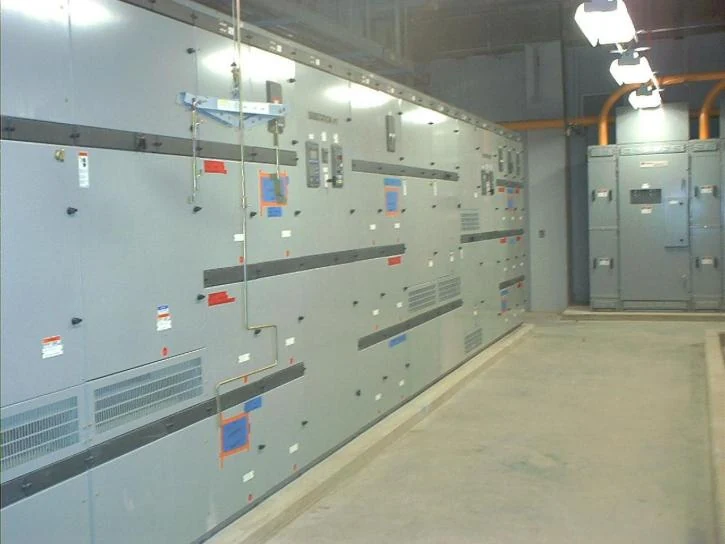
We buy new and used electrical switchgear, including opportunities involving unused surplus assemblies. Start with the manufacturer, assembly identifier, location and reason the gear became surplus. Explain whether the equipment is still packaged, was unpacked in a warehouse or was placed at the intended project site. None of these descriptions guarantees a purchase.
A canceled order can leave a complete assembly, only some shipping groups or gear revised for a project that no longer exists. State what you own and can offer, rather than describing everything on the original purchase order as present. A clear scope helps establish what is available for assessment.
02
Explain what new or unused means for your gear
Separate purchase condition from subsequent handling. If the assembly was bought new but later uncrated, relocated or installed without entering service, say so. If it was connected or energized at the project, disclose that history instead of relying on an unused label. When the history is uncertain, identify the uncertainty.
Give the manufacturing date shown in available records, the delivery date and the approximate time in storage. Keep factory reports distinct from any later site reports. Do not describe equipment as tested, commissioned or ready for installation merely because documents came with the order. Provide the documents and their dates so their relationship to the offered assembly can be reviewed.
03
Describe storage conditions, not just intact wrapping
Report whether storage was indoors or outdoors, whether the location was climate controlled and whether there were known leaks, flooding or condensation. Mention warehouse moves and periods spent at a construction site. Use dated receiving photographs, storage logs and existing maintenance records where available. Intact packaging is useful evidence of handling, not proof of protected electrical components.
Eaton's Magnum DS manual says its shipping protection is not suitable for outdoor storage as shipped and that outdoor assemblies are not weatherproof until completely assembled. Schneider Electric's SureSeT guidance also distinguishes shipping packaging from storage protection. These are reasons to disclose actual conditions, not substitute a universal storage rule for the assembly's own instructions. [1] [2]
04
Match factory paperwork to the offered assembly
Useful records include the original order acknowledgment, shipping list, packing lists, arrangement drawings and connection diagrams. Keep manufacturer order numbers, serial numbers and drawing revision identifiers visible. Eaton identifies arrangement drawings and connection diagrams among the documentation supplied with Magnum DS assemblies, and its shipping groups carry shop or general order identification. Those details help connect the paperwork to the physical gear. [1]
Distinguish the configuration originally ordered from later approved revisions. A quotation or preliminary drawing may describe equipment that was never delivered. If the final drawing set is missing, send the records you have and label them accurately. Do not present an early project design as confirmation of the assembly's current configuration.
05
Account for separate packages and missing accessories
Compare existing receiving records with the factory packing list. Note the number of shipping groups available and whether every group from the order remains together. The number of crates is not necessarily the number of switchgear sections. Keep package identifiers linked to the corresponding order and drawings so the inquiry does not count the same equipment twice.
Schneider Electric says SureSeT circuit breakers may ship within the gear or separately. Eaton notes that larger items and loose shipping-split hardware may be packed separately for Magnum DS assemblies. List documented accessory cartons and disclose items already allocated elsewhere. Missing separately shipped equipment can matter even when the main cabinets still look untouched. Do not claim completeness solely from exterior appearance. [1] [2]
06
Disclose project changes and identify the assembly family
Describe documented changes to breaker quantities, control voltage, metering, protection or the main and feeder arrangement. Identify whether those changes were requested, factory completed or only proposed. Preserve revised bills of material and change-order records. A project's revised specification does not itself show that the delivered gear was modified to match it.
For identification, Eaton's manual covers Magnum DS metal-enclosed low-voltage assemblies; Schneider Electric describes SureSeT as two-high, 5/15 kV metal-clad indoor switchgear. These examples show why the family and configuration matter beyond the brand name. They are identification references, not guaranteed purchases, available inventory, an OEM relationship or evidence of parts interchangeability. Copy the actual assembly designation from existing labels or records. [1] [2]
07
Use safe exterior photographs and existing records
Provide accessible exterior nameplates, overall photographs of each packaged group and readable shipping labels. Include visible package damage and any existing photographs from receipt. If a needed label is concealed, use its information from factory records and explain why a current photograph is unavailable. There is no need to disturb packaging or expose electrical components just to begin an inquiry.
Unused does not establish a safe electrical condition, particularly when gear has been placed or connected at a site. OSHA distinguishes equipment merely described as deenergized from equipment addressed under its required safety practices. Qualified personnel handle isolation, removal and any inspection requiring electrical access. Seller documentation should remain limited to accessible exterior information and records already available. [3]
08
Prepare a focused surplus purchase inquiry
Call or text (951) 733-6603, or email electricalsurplusbuyers@gmail.com with your photos and records. Include your contact information, equipment location, ownership authority, assembly identifiers, storage timeline and the items included. Flag missing paperwork, unresolved shipping shortages and configuration changes at the outset. If identification is incomplete, provide what is known rather than guessing a model or rating.
Nationwide opportunities are reviewed case by case. New condition alone does not settle suitability, completeness or purchase terms. State any deadline affecting the surplus decision, but do not assume a particular inspection, payment or collection schedule. Acceptance and transaction responsibilities must be agreed for the specific assembly.