01
Direct answer
We Buy New and Used Electrical Switchgear
Send your Siemens or ITE switchgear information for a purchasing review. Describe the assembly, its location, whether it is unused or previously operated, and the sections and breakers included. The brand name starts the conversation; it does not establish eligibility by itself.
Nationwide opportunities are considered case by case. Missing identification, undocumented modifications or incomplete equipment can affect the review. The manufacturer examples below are identification references, not a guaranteed purchase list, available stock, an OEM relationship or a claim that parts interchange. No particular model is automatically accepted.
02
Recognize Siemens WL Low-Voltage Configurations
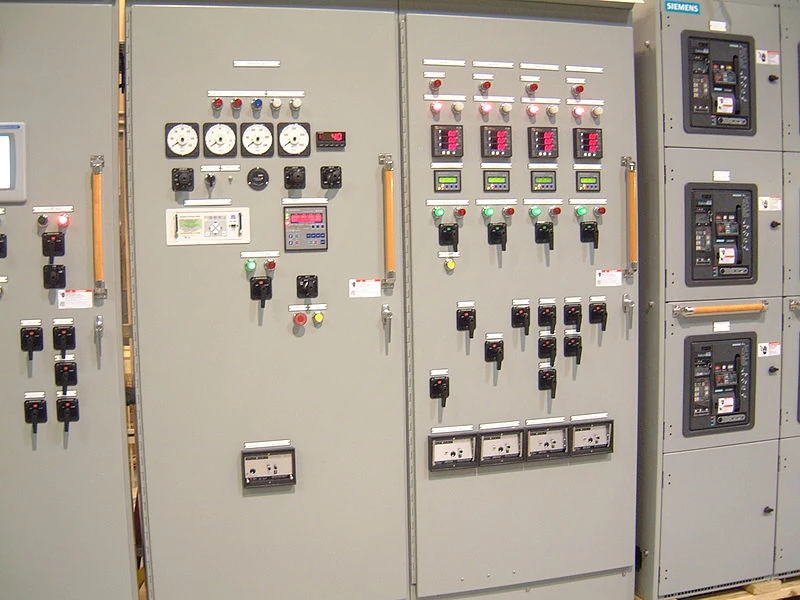
Siemens identifies Type WL rear-connected low-voltage switchgear as a metal-enclosed assembly built around WL breakers. Its rear-connected arrangement places controls at the front and cable terminations at the rear. Siemens also lists front-connected and arc-resistant low-voltage variants. These distinctions help describe the equipment more accurately than simply calling it a Siemens cabinet. [1]
Use existing drawings or equipment records to state which configuration you have. Do not assume that a WL breaker label proves the entire assembly is Type WL switchgear, or that every WL lineup has arc-resistant construction. Supply the assembly designation separately from breaker and trip-unit information. If records identify the equipment as a switchboard or panelboard, keep that description rather than relabeling it switchgear.
03
Keep GM-SG Assembly and GMSG Breaker Names Separate
Siemens describes GM-SG as non-arc-resistant, air-insulated, metal-clad medium-voltage switchgear using horizontal drawout GMSG vacuum circuit breakers. GM-SG names the assembly family; GMSG identifies the associated breaker family. Keeping those terms separate helps connect the lineup records with the equipment included in your inquiry. [2]
For a documented GM-SG assembly, provide its rated voltage and section arrangement from existing labels or drawings, along with the listed breaker types. Do not infer an arc-resistant rating from a metal enclosure or from the GM-SG name. Optional monitoring or other accessories mentioned in Siemens literature should appear in your description only when your own records confirm their presence.
04
Describe Legacy ITE Labels Without Assuming a Current Series
For older ITE-labeled equipment, preserve the exact wording and model designations in your records. Siemens' medium-voltage replacement-breaker literature identifies legacy ITE HV and HK models and shows a Siemens HKR replacement for ITE HK. These are useful identification clues, not proof that an older ITE assembly is a current Siemens switchgear family. [3]
A retired lineup may retain its original assembly identity while containing later replacement breakers. If your paperwork shows that situation, identify the original gear and the replacement equipment separately. Include the conversion records and the affected section or cell references. A Siemens label on a replacement breaker does not by itself establish the manufacturer, ratings or configuration of the original assembly, and this page does not establish compatibility between components.
05
Match Original Records to the Gear Being Offered
Useful records include the assembly nameplate transcription, serial or factory order number, general arrangement drawing, one-line diagram and section schedule. Where available, include the document revision and any later modification package. Matching identifiers help distinguish original factory information from a drawing that no longer describes the equipment.
For legacy ITE gear, an older manual title alone is less useful than a model or order reference tied to your assembly. For Siemens gear, distinguish the lineup designation from individual breaker catalog numbers. Explain conflicting labels rather than choosing the newest brand name. If an identifier is unreadable or absent, say so and send the records you have; do not fill the gap with a guessed model.
06
Show Which Sections and Components Are Included
Use the existing section schedule to describe main, tie and feeder positions and the breakers included with them. Identify documented empty cells, omitted sections or equipment reserved for another use. This matters when the photographs show a larger lineup than the seller is actually offering.
Keep assembly bus ratings separate from breaker ratings. A bus withstand rating is not automatically a breaker interrupting rating. Copy each rating with its label and units from existing records instead of combining figures into one capacity claim. For an upgraded ITE assembly, note which breaker positions have documented replacements and whether the related controls or drawings changed.
07
Explain Condition and Changes Since the Original Installation
Describe unused equipment as unused only when that status is known. Include storage conditions and available factory paperwork, and disclose missing accessories or project changes. An unused Siemens assembly may still differ from the original order if components were reassigned or sections were separated.
For used or legacy ITE gear, provide the known retirement reason, available maintenance reports and any documented breaker or protection changes. Report known water exposure, corrosion or damage candidly. Existing reports can help explain condition, but do not claim present operating fitness from age, appearance or a past maintenance date. Unknown history and missing components should remain explicit in the purchasing inquiry.
08
Send a Safe, Clearly Identified Purchasing Inquiry
Text available pictures to (951) 733-6603 or email electricalsurplusbuyers@gmail.com. Include safely obtainable exterior views, existing exterior labels and relevant records. Identify the equipment location, your authority to sell it, the exact sale scope and whether it remains installed. Note known removal constraints without assuming that pickup or removal services are included.
Do not access energized compartments, remove covers, operate or rack breakers, or perform tests to gather sales information. Qualified personnel handle any inspection requiring access, electrical isolation and removal. A description such as retired or switched off is not a safe-access determination; OSHA's electrical work-practice requirements address that distinction. If information is inaccessible, use existing records and identify the missing detail. [4]