01
Direct answer
Can you sell switchgear that is still installed?
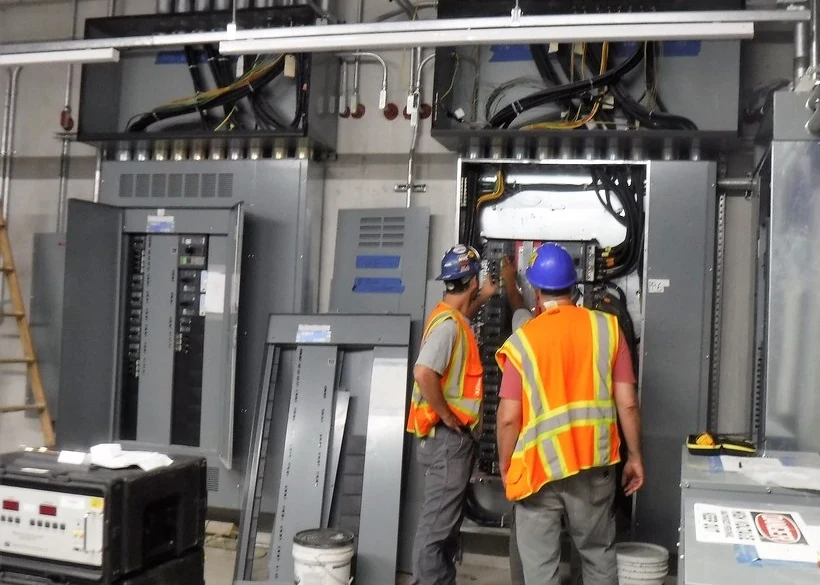
You can begin a purchasing inquiry while switchgear is still installed. We buy new and used electrical switchgear, with nationwide opportunities reviewed case by case. Provide the location, manufacturer, available records and expected retirement timing so the inquiry describes equipment that may actually become available.
Being installed is a condition to explain, not a promise of acceptance. State whether the assembly remains in service, has been retired or has an unknown electrical status. A preliminary discussion does not mean a site visit, purchase, removal service or collection date has been agreed. Keep the buying discussion separate from the facility's electrical work plan.
02
Establish who can authorize the sale
Identify the legal owner of the switchgear and the person authorized to discuss its sale. In a leased facility, redevelopment project or contractor-managed shutdown, the equipment owner may differ from the building occupant or the person arranging demolition. Describe your role rather than assuming possession gives you authority to transfer the assembly.
Tell us if another approval is pending, including landlord consent, an owner asset-release decision or a financing-related restriction. Do not send confidential agreements unnecessarily; explain the unresolved issue and who can resolve it. Separate the commercial decision-maker from the site contact and electrical contractor. These may be different people, and an inquiry is clearer when each responsibility has a named contact.
03
Describe the retirement schedule without promising availability
Give the planned replacement, shutdown or decommissioning date, and label it as tentative or confirmed. Explain whether release depends on replacement equipment arriving, construction approval or continued operation of part of the facility. The important purchasing detail is when this particular assembly may be available, not simply when the overall project starts.
Identify the facility representative coordinating outage decisions and the contractor expected to handle electrical work, if one has been appointed. Share any known restrictions on inspection appointments or equipment release. Do not arrange an outage solely to improve a sales inquiry. If the schedule changes, update the inquiry so a proposed transaction is not based on a release date the facility cannot support.
04
Use existing records to identify the installed assembly
Send the assembly manufacturer, designation and identifying number from existing records or exterior labels visible from permitted, safe areas. Retain the original equipment wording: switchgear and switchboards are not universal synonyms. A breaker label alone may not establish the identity of the surrounding assembly. If the identification is uncertain, describe it as uncertain instead of choosing a product category from appearance.
For example, Eaton's Magnum DS manual covers metal-enclosed low-voltage assemblies used with Magnum DS, Magnum SB or Series NRX power circuit breakers, or CM52 network protectors. It also identifies arrangement drawings and connection diagrams as assembly documentation. These names are identification references, not guaranteed purchases, stock listings, an OEM relationship or an interchangeability claim. Match the installed equipment to its own records rather than assuming every listed configuration applies. [1]
05
Explain what will remain with the equipment
Describe the assembly as it exists now and disclose any planned changes before release. Will a section, breaker, relay or other component be retained by the facility? Is part of the installation expected to remain operational? A review based on the present equipment may no longer describe what is offered if components are later reassigned or removed.
Provide existing maintenance reports and any documented modifications, known water exposure or damage relevant to this assembly. Separate recorded facts from assumptions: 'operating when retirement was proposed' is not the same as a verified condition report. Mark unavailable records as unavailable. Existing drawings can help explain boundaries between equipment included in the proposed sale and building wiring or connected equipment that is not included.
06
Describe access without entering electrical compartments
Explain where the installed gear is located: for example, a ground-floor electrical room, basement or restricted production area. State who controls visitor access and whether appointments, escorts or facility permissions are required. Use existing plans or facilities records to describe known access constraints; you do not need to investigate electrical spaces to complete an initial inquiry.
Do not open compartments, remove covers or operate equipment for photographs. If a label cannot be documented safely from an authorized location, say so and supply an existing photograph or record instead. OSHA requires qualified persons for work on equipment not deenergized under its prescribed procedures. Any inspection requiring electrical access belongs with appropriately qualified personnel and the facility's safety arrangements. [2]
07
Keep sale terms separate from electrical responsibilities
Before treating an inquiry as an agreed transaction, establish what is included and who is responsible for each stage. Ownership approval, electrical isolation, removal, site restoration and transportation are different responsibilities. Identify which parties are proposed to handle them and leave unresolved items explicit. Do not assume the buyer performs electrical isolation or that a purchase discussion includes removal services.
Qualified personnel must handle isolation and removal under the applicable site requirements. A description such as 'off,' 'retired' or 'building vacant' is not proof that equipment is safe to access. OSHA states that deenergized conductors and parts not locked or tagged in accordance with its rule must be treated as energized for work on or near them. This page provides inquiry planning, not an electrical procedure. [2]
08
Send a focused pre-removal purchase inquiry
Call or text (951) 733-6603, or email electricalsurplusbuyers@gmail.com. Include your name, role, equipment location and owner-authorized contact. Add exterior photographs already available or safely obtainable, identifying records, present service status and the anticipated release date. Describe schedule dependencies and any parts the facility intends to keep.
State the current removal plan, including whether a qualified contractor is already engaged, and explain access restrictions. If details are unknown, send what you have and label the gaps. Acceptance, inspection arrangements, payment terms and responsibility allocation must be agreed case by case. Do not represent a request for review as an accepted offer or confirmed pickup.