01
Direct answer
Sell the lineup as one documented assembly
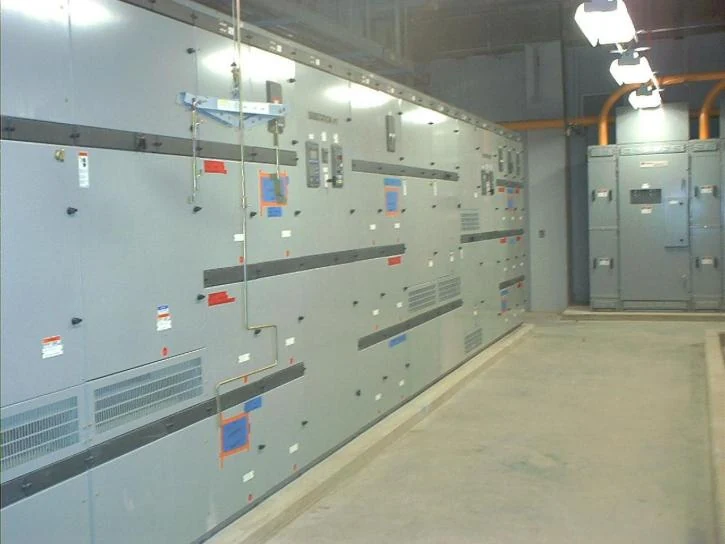
We buy new and used electrical switchgear, including opportunities involving complete matched lineups. For this inquiry, describe one assembly with sections that belong to the same documented arrangement. Identify the equipment owner, location and whether all sections shown in the available records are included in the sale.
A purchasing review needs more than a cabinet count. State whether the lineup is unused, previously operated or retired, and whether it remains together or has been separated into documented groups. Keep unrelated lineups, loose breakers and spare-parts inventory separate; those belong in the existing switchgear and circuit-breaker lot guide rather than this complete-assembly description.
02
Explain what makes the sections a matched lineup
Support the connection between sections with factory order numbers, assembly identifiers, unit numbers and project drawings. Matching paint, enclosure height or manufacturer names alone does not establish that cabinets were designed to form one assembly. If records are unavailable, describe the relationship as unconfirmed instead of calling the equipment a verified matched lineup.
Siemens' GM-SG medium-voltage switchgear manual explains that its shipping list identifies unit numbers within each shipping group and that the general arrangement drawing locates each unit in the lineup. Those records help connect physically separated groups to their intended positions. Manufacturer examples here are identification references, not guaranteed purchases, available stock, an OEM relationship or evidence of parts interchangeability. [2]
03
Build a section schedule from existing records
Provide a left-to-right section sequence and identify which viewing direction you are using. For each section, record the existing unit designation, its described function and the associated drawing reference. Use labels already visible from a safe location or information in drawings; mark uncertain entries as unknown.
Include sections that do not contain feeder breakers. Metering, auxiliary, transition and documented future sections can affect what the assembly includes. Eaton's Magnum DS low-voltage switchgear layouts illustrate main, tie and feeder arrangements alongside blank or instrument spaces and transition or auxiliary arrangements. A schedule explains these differences more clearly than a single overall photograph. Note any section in the drawing that is not part of the proposed sale. [1]
04
Describe the main, tie and feeder arrangement
Use the existing one-line diagram to describe the incoming mains, any bus-tie position and outgoing feeders. A tie connects bus sections; it is not simply another feeder because the breaker looks similar. If the arrangement is documented as main-tie-main, identify both incoming main positions and the tie between the bus sections. Do not infer the operating scheme from cabinet order alone. [1]
Eaton's Magnum DS guide includes an illustrated lineup with MDS main and tie breakers and MDN feeder breakers. This shows why an assembly family and its individual breaker identifiers should be recorded separately. Send the actual identifiers in your records, not a generic family description. Describe any documented transfer controls or interlocks without operating them to demonstrate their function. [1]
05
Keep assembly ratings separate from component ratings
Copy the assembly manufacturer's name, series, voltage and bus rating from an existing accessible label or approved records. Keep breaker frame, trip-unit and interrupting information in separate entries tied to their section positions. Eaton's guide treats bus ampacity and short-circuit withstand information separately from breaker characteristics; a bus withstand rating should not be presented as a breaker interrupting rating. [1]
Preserve the equipment classification stated in its documentation. Switchgear and switchboards are not universal synonyms, and a row of metal cabinets does not establish the assembly type. Where the nameplate and drawings disagree, send both and identify the discrepancy. Do not combine the highest rating found on one component with the assembly description or assume every section has identical ratings.
06
Account for shipping splits and mating components
A lineup can be separated into shipping groups while still belonging to one documented assembly. Report each group's section numbers and identify the drawing that connects them. Distinguish an original shipping split from an undocumented separation or later alteration. Original packing lists and photographs taken before separation can help explain what was retained. [2]
For GM-SG equipment, Siemens describes shipping-split bus bars and hardware supplied within a unit, or packed separately in unusual situations. Ask the equipment custodian for existing inventories of those items and their associated labels. Report their status as included, excluded or unconfirmed. Do not enter bus compartments to check. Connection pieces, insulation components and other mating items must be evaluated against the actual assembly documents, not assumed compatible because they look similar. [2]
07
Define included controls and documented changes
Make the sale boundary clear. State whether the described breakers, protective relays, meters, control devices and documented auxiliary equipment remain with their assigned sections. Identify separately stored items by their existing tags and records, and distinguish included assembly components from unrelated spares. Do not describe a component as present solely because it appears on an old drawing.
Disclose known changes to the original arrangement, including replacement breakers, altered control equipment or removed sections. Provide revised drawings or maintenance records if available. Explain whether the proposed schedule describes the factory arrangement or the current assembly. Known damage or missing items should be stated plainly, but a complete-looking exterior is not a claim of operating condition, testing or suitability for another installation.
08
Send a purchasing inquiry without disturbing the gear
Send an overall exterior view, safely accessible identifying labels and the available section schedule, one-line and arrangement drawings. Add the equipment location, ownership authority and a concise inclusion statement. Text photographs to (951) 733-6603 or email electricalsurplusbuyers@gmail.com. Note unavailable records and unconfirmed components rather than trying to fill gaps with assumptions.
No sales inquiry requires opening compartments, removing covers, racking breakers or performing electrical tests. Qualified personnel handle inspection requiring access, electrical isolation and removal under applicable safety procedures. OSHA's electrical work-practice rules distinguish deenergized equipment from equipment that can safely be treated as deenergized; an idle or retired lineup is not permission to access it. Any acceptance and transaction terms must be agreed case by case. [3]