01
Direct answer
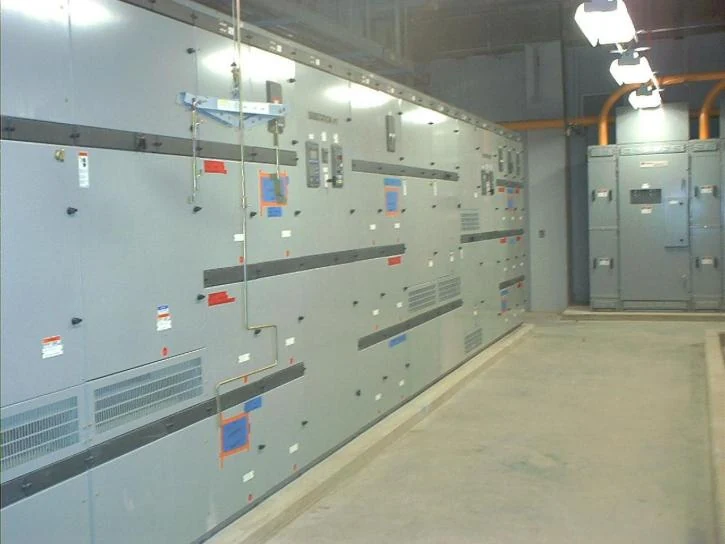
We Buy New and Used Electrical Switchgear
You can submit damaged or incomplete switchgear for purchasing review, but submitting an inquiry does not mean the assembly will be accepted. The remaining configuration, identifiable components, documented condition and extent of damage all matter. An empty breaker position is a different situation from an assembly affected by flooding or an electrical fault.
Start with the manufacturer, assembly identifier, location and a plain description of the defect. State whether the gear is installed, already removed or stored in separate sections. Do not call it complete, operational or ready for reuse unless existing records support that description. Unknown condition should remain clearly identified as unknown.
02
Describe exactly what is missing
Use the original section schedule, drawings or removal inventory to describe missing breakers and sections. Give the section numbers where available. Explain whether a main, tie or feeder section is absent, rather than simply reporting that one cabinet is missing. If parts were transferred elsewhere, identify that change from records without suggesting they remain included.
A space that looks empty may have been intentionally reserved or configured for auxiliary equipment. Eaton's VacClad-W design guide describes breaker-over-breaker, auxiliaries-over-breaker and auxiliaries-over-auxiliaries arrangements. Door count alone therefore does not establish breaker count. Compare your existing drawings with the inventory available for sale, and flag any discrepancy rather than guessing. [4]
03
Separate assembly identity from component identity
The lineup label and a breaker label describe different things. For example, Eaton identifies VacClad-W as a metal-clad medium-voltage switchgear family using Type VCP-W vacuum circuit breakers. A VCP-W identifier is useful evidence about a component; it does not by itself identify every section or confirm that a partial lineup retains its original configuration. [4]
Copy identifiers from existing exterior labels and earlier documentation. Include assembly serial or order numbers, rated voltage and recorded section designations when available. These Eaton names are identification references only, not guaranteed purchases, available stock, an OEM relationship or a claim of parts interchangeability. Do not assume a similar-looking replacement breaker makes an incomplete assembly complete.
04
Distinguish missing breakers from missing support equipment
An inquiry should cover more than the obvious breaker vacancies. Existing drawings or professional inventories may also identify absent protective relays, metering, instrument transformers, control-power equipment, doors or barriers. Eaton's guide shows that auxiliary spaces can contain voltage transformers or control-power equipment, so their absence can change the description of the offered assembly. [4]
For sections already separated by qualified personnel, report whether documented connecting bus pieces and associated hardware are included. Identify items known to be unavailable and items whose whereabouts are uncertain. Do not buy substitute parts merely to improve the inquiry. Whether any replacement would be appropriate is a separate technical determination, not something a purchase review establishes.
05
Disclose impact, heat and electrical damage clearly
Describe known damage in factual terms: a bent enclosure after handling, a damaged door, a reported fault, or heat and smoke exposure. Include the event date if known and identify the affected section from existing records. An exterior dent and a documented fault involving internal equipment should not be described as the same condition.
Send earlier photographs and available incident, insurance or contractor reports. If an existing professional report identifies bus, insulation or protection damage, include that finding without extending it to unexamined sections. A clean exterior photograph does not establish internal condition. Avoid labels such as cosmetic only when the extent of damage has not been professionally established.
06
Treat water exposure as a separate eligibility issue
Disclose water contact even if the assembly now appears dry. Useful existing information includes the source of the water, exposure duration, reported water level and affected sections. Floodwater, firefighting water and contamination should not be hidden behind a general description such as used equipment.
Schneider Electric warns that water-contact equipment needs replacement, while some larger equipment may be candidates for professional reconditioning. Eaton-hosted NEMA guidance likewise distinguishes possible assessment of switchgear assemblies from affected components requiring replacement, and warns against returning water-damaged inventory to the market through resellers. Drying or cleaning does not establish suitability for reuse. Purchase eligibility is not permission to return damaged gear to service. [1] [2]
07
Understand possible declines and inspection contingencies
Severe damage, contamination, missing critical sections or an identity that cannot be established may prevent a purchase. A recognizable brand is not enough to overcome those concerns. Review may remain unresolved where the documents cannot show what is included or where the condition of the remaining assembly is uncertain.
Any discussion should distinguish an initial document review from an agreed purchase. Further assessment may be necessary, and terms depend on the actual equipment and agreed scope. Manufacturer guidance and qualified professional findings govern technical condition questions; this page does not certify repairability or safety. Do not spend money on repair or removal on the assumption that an offer is guaranteed.
08
Prepare a candid inquiry without opening equipment
Text available pictures to (951) 733-6603 or email electricalsurplusbuyers@gmail.com with the location, ownership authority, assembly identifiers, missing-item description and known damage history. Add existing reports and explain which components are included. If photographs predate the damage or removal, label them accordingly. Nationwide opportunities are reviewed case by case.
Use existing exterior labels and records available without accessing electrical compartments. Do not remove covers, move breakers or perform tests for a selling inquiry. OSHA assigns electrical work on equipment not properly deenergized to qualified persons; an assumed shutdown is not proof of a safe condition. Qualified personnel handle any required isolation, access and removal. If a requested detail is unavailable safely, say so. [3]