01
Direct answer
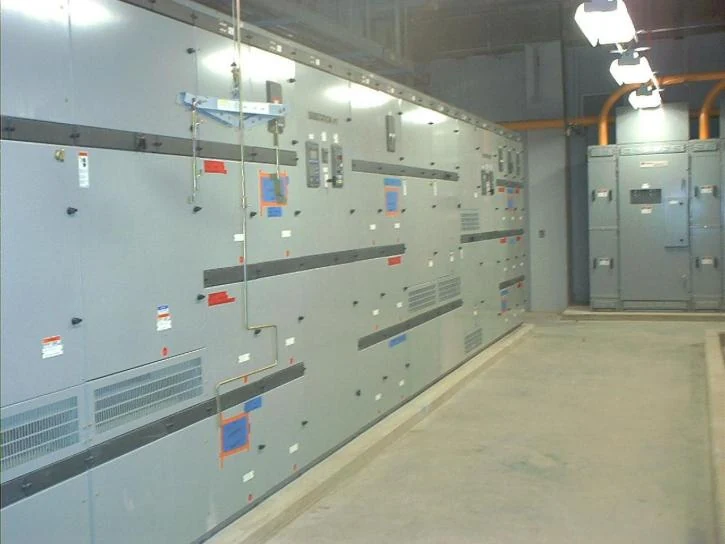
We Buy New and Used Electrical Switchgear
We review Eaton and Cutler-Hammer switchgear purchasing inquiries for new surplus assemblies and used equipment. Send the brand wording, assembly designation, location and available photographs so the specific lineup can be assessed. Nationwide opportunities are reviewed case by case; no particular model, condition or installation status guarantees a purchase.
The families and configurations below are identification references, not a guaranteed purchase list, available stock or a parts-interchangeability claim. This page does not represent an OEM relationship. Describe the assembly you own rather than selecting the closest catalog example and assuming it matches.
02
Keep the assembly label separate from component branding
If the equipment bears Eaton or Cutler-Hammer wording, preserve that wording in your inquiry. Identify whether it appears on the overall assembly label, a breaker, a trip unit or an old document. A component logo alone does not identify the entire lineup, particularly when maintenance records show replacements or later modifications.
Copy the assembly designation, serial or order identifiers and rating information from existing accessible labels or archived photographs. Eaton's Magnum DS manual distinguishes assembly documentation from separate breaker manuals. Send both when available, but label them clearly. If records disagree with the present exterior markings, explain the discrepancy rather than silently choosing one identity. [3]
03
Identify Magnum DS low-voltage assemblies precisely
Eaton describes Magnum DS as metal-enclosed low-voltage switchgear and cites UL 1558 and ANSI C37.20.1 for that switchgear family. Those descriptions help distinguish a documented switchgear assembly from equipment described loosely as a switchboard. Submit the actual assembly label and drawings instead of treating the two equipment categories as interchangeable. [1]
The Magnum DS technical data separates breaker type and frame configuration: MDN entries include narrow frames, while MDS entries include standard and double frames. It also lists voltage-specific interrupting ratings. Keep the complete breaker designation, not just 'Magnum' or an ampere figure. A frame rating, sensor rating and rating-plug value describe different details; report each as labeled rather than combining them into one rating. [1]
04
Recognize VacClad-W configuration in project records
Eaton's 5–15 kV VacClad-W guide identifies a metal-clad medium-voltage assembly using horizontal drawout Type VCP-W vacuum circuit breakers. Documented arrangements include breaker-over-breaker, auxiliaries-over-breaker and auxiliaries-over-auxiliaries. These distinctions explain why two similar-looking sections may contain different equipment and why a front view should be paired with the arrangement drawing. [2]
Record the assembly's own voltage and enclosure description. The guide covers indoor, outdoor aisleless and outdoor sheltered-aisle configurations; its stated scope is not proof of your lineup's ratings. Metal-clad construction also does not, by itself, establish an arc-resistant designation. Eaton distinguishes standard metal-clad testing from internal-arcing performance. Include any documented arc-resistant designation without inferring it from appearance. [2]
05
Match each breaker description to its documented position
Use an existing breaker schedule to associate each main, tie and feeder position with its documented breaker type. For Magnum DS equipment, include the full designation and visible Digitrip model where recorded. For VacClad-W, include the full VCP-W designation and documented control voltage. Preserve suffixes because abbreviated family names leave important differences unresolved. [1] [2]
State which scheduled breakers are included, which are missing and which have documented replacements. Keep assembly bus ratings separate from breaker interrupting ratings. A higher-capability breaker does not automatically increase the assembly rating; Eaton explicitly notes assembly limits in its VacClad-W rating table. Do not infer compatibility from matching amperage, branding or physical resemblance. [2]
06
Use Eaton order numbers to connect the paperwork
For Magnum DS, Eaton's manual identifies arrangement drawings and connection diagrams as assembly documentation. It also describes shipping groups marked or accompanied by shop order numbers, general order numbers and shipping weights. These identifiers help connect separated sections and paperwork to one assembly instead of relying on a generic manual cover. [3]
Submit available drawing numbers and revisions, section identifiers and packing lists with your inquiry. If a lineup is stored in separate shipping groups, explain which groups belong to the offer and whether their identifiers agree. Note whether drawings describe the original factory configuration or a later revision. Missing paperwork should be disclosed; do not claim that a download for the same family proves the actual project configuration.
07
Describe condition without claiming unverified readiness
Explain whether the Eaton or Cutler-Hammer assembly was never installed, previously operated or modified during service. Include known storage exposure, visible exterior corrosion or damage and any missing scheduled equipment. For unused gear, factory paperwork and packaging records help distinguish a canceled-project assembly from equipment whose service history is simply unknown.
Existing maintenance reports can support the condition description when they identify the same assembly or breakers. Include their dates and scope, and identify later changes that the reports do not cover. 'Worked when retired' is a seller statement, not proof of present readiness. If condition or completeness is uncertain, say so; damaged or incomplete assemblies remain subject to individual purchasing review.
08
Send a documentation-only purchasing inquiry
Text available photographs to (951) 733-6603 or email electricalsurplusbuyers@gmail.com. Include your contact details, equipment location, authority to sell, assembly identity, documented ratings, section count and included breaker schedule. Add matching drawings and known condition issues. Specify whether the assembly remains installed or is already stored, and identify any owner-imposed availability constraints.
Use existing exterior labels, safely available overall views and records already held by the facility. Do not operate equipment or access compartments to improve the submission. Qualified personnel handle electrical isolation, any inspection requiring access and removal under applicable procedures. OSHA's electrical work-practice rules establish qualified-personnel and deenergization requirements; a seller inquiry is not an electrical work procedure. [4]